


Water quality plays a critical role in aquatic ecosystems, and turbidity is one of the most important indicators to monitor—especially for fish health. Many aquaculture operators, environmental agencies, and fishery managers ask the same question: Is low turbidity good for fish?
The short answer is yes—but only when it stays within a healthy range. In this article, we'll explain what turbidity is, how it affects fish, what turbidity levels are considered safe, and how professional tools like the ERUN-SP7 portable multi-parameter water quality analyzer help ensure accurate monitoring in real-world conditions.
Turbidity refers to the cloudiness or haziness of water caused by suspended particles such as silt, clay, algae, organic matter, and microorganisms. These particles scatter light, making the water appear murky.
Turbidity is typically measured in Nephelometric Turbidity Units (NTU) and is widely used as a key parameter in water quality testing for aquaculture, surface water, wastewater, and environmental monitoring.
Turbidity directly influences several environmental factors that determine fish survival and growth:
Light penetration, which affects photosynthesis and oxygen production
Gill function, as particles can irritate or clog fish gills
Feeding efficiency, since fish rely on sight to locate food
Habitat quality, including spawning and egg survival
Because of these factors, maintaining appropriate turbidity levels is essential in both natural waters and controlled aquaculture systems.
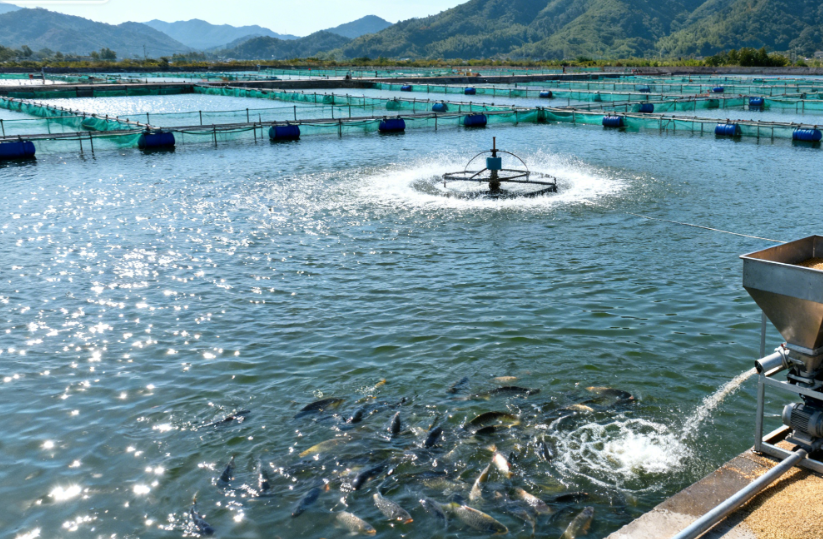
Low turbidity is generally beneficial, but extremely low turbidity is not always ideal.
Improved oxygen levels due to better light penetration
Reduced gill irritation and stress
Better visibility for feeding and predator avoidance
Healthier spawning conditions for many species
Reduced availability of natural food (such as plankton)
Increased exposure to predators due to overly clear water
Higher sensitivity to temperature changes
In most aquaculture and freshwater systems, moderately low turbidity is considered optimal rather than crystal-clear water.
While ideal turbidity levels vary by species and environment, general guidelines include:
0–5 NTU: Excellent water clarity, suitable for most fish
5–25 NTU: Acceptable range for aquaculture and surface water
Above 25 NTU: May cause stress, reduced growth, or health issues
Sensitive species and fish eggs often require lower turbidity levels, while some species naturally tolerate slightly higher turbidity.
Excessive turbidity can negatively impact fish in multiple ways:
Gill damage from abrasive particles
Lower dissolved oxygen levels
Reduced feeding success
Stress and weakened immune systems
Poor egg survival and reproduction
In aquaculture, consistently high turbidity can lead to slower growth rates and higher mortality, making regular monitoring essential.
Reliable turbidity measurement requires professional instruments designed for field and laboratory use. Handheld turbidity meters and multi-parameter analyzers provide faster and more accurate results than visual estimation.
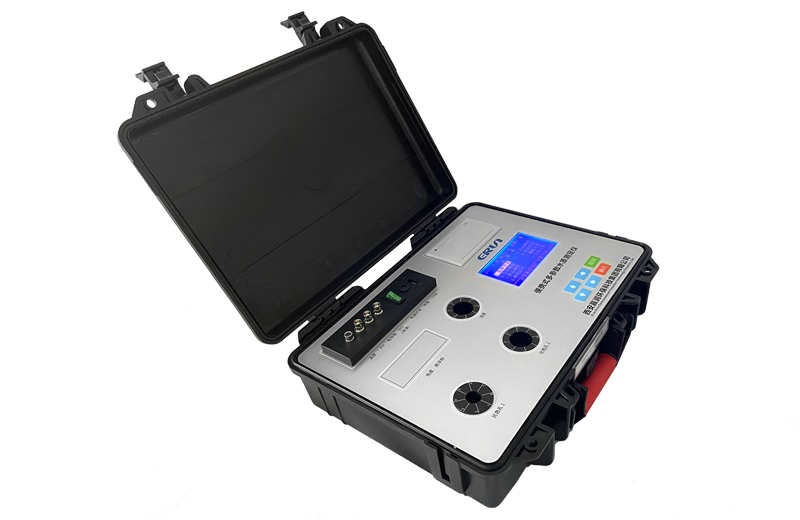
The ERUN-SP7 is specifically designed for comprehensive water quality testing in aquaculture and environmental applications. It supports turbidity measurement alongside many other critical parameters.
Key advantages of ERUN-SP7 include:
Measures turbidity, TSS, COD, ammonia nitrogen, total phosphorus, total nitrogen, and more
Supports heavy metals and inorganic salts testing
Portable design for on-site fish pond and surface water testing
Expandable and customizable parameters based on user needs
Ideal for aquaculture farms, environmental monitoring units, and research institutions
By monitoring turbidity together with nutrients and organic load, users can gain a complete picture of fish water health.
To maintain fish-friendly turbidity levels:
Regularly monitor turbidity and TSS
Control runoff and sediment input
Manage feeding to reduce waste accumulation
Use filtration or sedimentation where needed
Track related parameters such as ammonia and dissolved oxygen
Using a multi-parameter device like ERUN-SP7 allows operators to identify problems early and take corrective action before fish health is affected.
Yes—low turbidity is generally good for fish, as it supports better oxygen levels, feeding efficiency, and overall health. However, balance is key. Extremely clear water is not always ideal, and turbidity should be maintained within species-appropriate ranges.
With reliable monitoring tools like the ERUN-SP7 portable multi-parameter water quality detector, aquaculture professionals and environmental managers can maintain optimal water conditions, protect fish health, and improve operational outcomes.
For professional water quality solutions, visit erunwas.com.