


Suspended solids are one of the most important indicators of water quality. Whether you are monitoring wastewater discharge, surface water, or industrial effluent, knowing how to check suspended solids accurately is essential for compliance, environmental protection, and process control. In this article, we explain what suspended solids are, why they matter, common testing methods, and how portable instruments like the ERUN-SP7 simplify on-site measurement.
Suspended solids (often referred to as Total Suspended Solids, or TSS) are small solid particles that float or remain suspended in water rather than dissolving. These particles may include:
Silt and clay
Organic matter
Algae and microorganisms
Industrial or municipal waste particles
High suspended solids levels make water appear cloudy and can negatively affect aquatic ecosystems, treatment efficiency, and regulatory compliance.
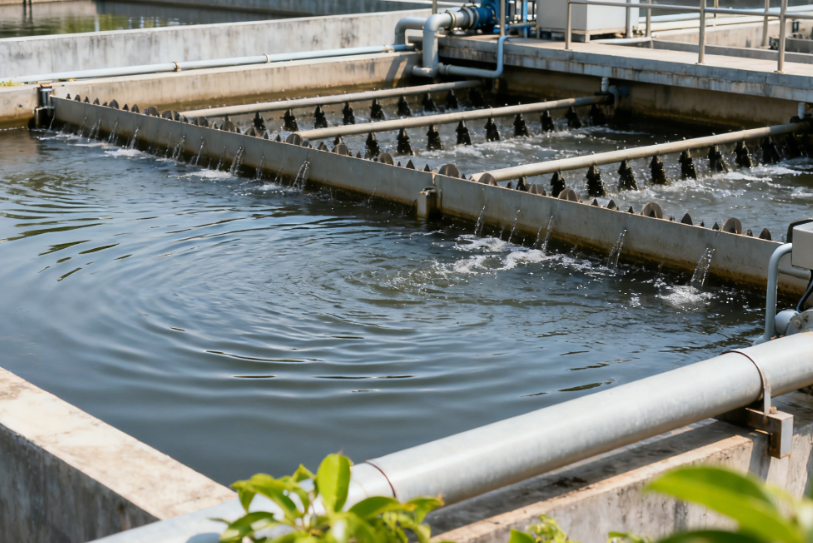
Monitoring suspended solids is critical for several reasons:
Water quality assessment: High TSS reduces light penetration and affects aquatic life
Wastewater compliance: Many discharge permits specify strict TSS limits
Process control: Elevated solids can clog filters, membranes, and pipelines
Environmental protection: Excess solids often carry nutrients, metals, and pollutants
Regular suspended solids testing helps identify pollution sources early and supports informed water management decisions.
The gravimetric method is the most widely recognized laboratory standard for TSS measurement.
Steps include:
Filter a known volume of water through a pre-weighed filter
Dry the filter at a controlled temperature
Weigh the filter again
Calculate TSS based on weight difference
Advantages: High accuracy, standardized
Limitations: Time-consuming, requires laboratory equipment
Modern water quality analyzers use optical principles to estimate suspended solids based on light absorption or scattering.
Advantages:
Fast results
Suitable for field testing
Minimal sample preparation
These methods are ideal for routine monitoring, especially when immediate data is required.
For field testing, portability and ease of use are crucial. On-site suspended solids testing allows users to:
Obtain real-time data
Reduce laboratory delays
Make quick operational decisions
Monitor multiple parameters simultaneously
This is where portable multi-parameter analyzers offer a clear advantage.
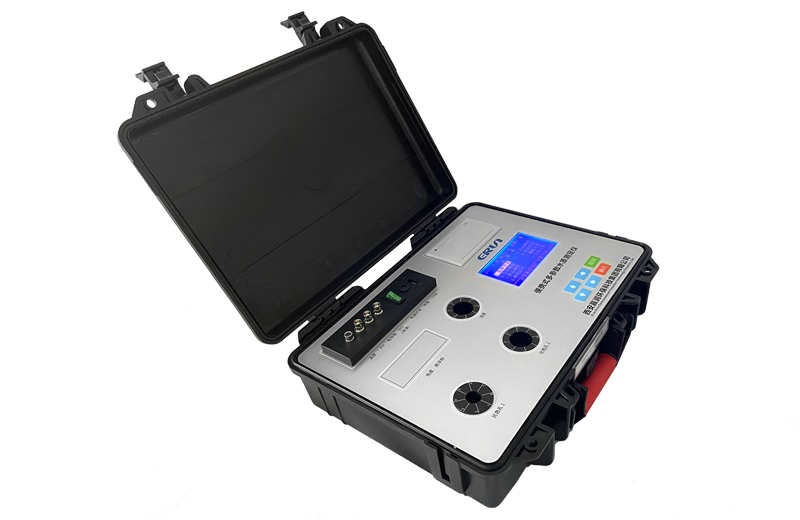
The ERUN-SP7 portable multi-parameter water quality detector is designed for efficient and accurate on-site water testing. It supports suspended solids (TSS) measurement along with a wide range of other parameters.
Supports TSS, COD, turbidity, ammonia nitrogen, total phosphorus, total nitrogen, and more
Expandable and customizable test parameters
Automatic wavelength selection with no manual adjustment
Large 5-inch LCD with direct concentration readout
Portable design for field and on-site applications
By combining optical detection with intelligent data processing, ERUN-SP7 enables reliable suspended solids analysis without complex procedures.
Suspended solids monitoring is essential across multiple industries:
Wastewater treatment plants – influent and effluent control
Environmental monitoring agencies – rivers, lakes, and surface water
Industrial facilities – process water and discharge testing
Construction and mining sites – runoff and sediment control
Research and education – water quality studies
The ERUN-SP7’s portability makes it suitable for all these scenarios.
To ensure reliable results when checking suspended solids:
Mix samples thoroughly before testing
Avoid air bubbles during measurement
Calibrate instruments regularly
Use appropriate measurement ranges
Perform repeat tests for consistency
Following best practices improves data accuracy and supports regulatory reporting.
Understanding how to check suspended solids is fundamental to water quality management. While laboratory gravimetric methods remain the reference standard, modern portable analyzers provide faster, more practical solutions for daily monitoring.
With its multi-parameter capability, portability, and expandable testing options, the ERUN-SP7 offers a reliable and efficient solution for suspended solids testing in the field. For professionals who need accurate results without sacrificing speed or convenience, portable water quality analyzers are the future of suspended solids monitoring.
For more information about suspended solids testing solutions, visit erunwas.com.