


Total Suspended Solids (TSS) are one of the most important indicators of water quality, especially in surface water, wastewater, and industrial effluent monitoring. High TSS levels not only affect water clarity but also disrupt aquatic ecosystems, treatment processes, and regulatory compliance. Understanding how TSS affect water quality—and how to measure them accurately—is essential for environmental monitoring, water treatment, and industrial operations.
In this article, we explain what TSS are, how they impact water quality, and how modern testing solutions like the ERUN-SP7 portable multi-parameter water quality detector help ensure reliable TSS monitoring.
Total Suspended Solids refer to the total concentration of solid particles suspended in water that are not dissolved. These particles can include:
Soil and silt
Organic matter
Algae and microorganisms
Industrial waste particles
Sewage residues
TSS is typically measured in milligrams per liter (mg/L) and is a key parameter in water quality assessments for rivers, lakes, wastewater, and industrial discharge.
High TSS levels make water cloudy or turbid, reducing light penetration. This limits photosynthesis in aquatic plants and algae, potentially disrupting the entire marine food chain.
Suspended solids can clog fish gills, reduce oxygen intake, and smother fish eggs and benthic organisms. Over time, elevated TSS levels can lead to reduced biodiversity and unhealthy aquatic ecosystems.
Particles suspended in water absorb heat more efficiently than clear water. As TSS increases, water temperature may rise, reducing dissolved oxygen levels and stressing aquatic organisms.
TSS particles often act as carriers for harmful substances such as heavy metals, nutrients, and pathogens. When TSS levels rise, these pollutants can spread more easily, increasing environmental and health risks.
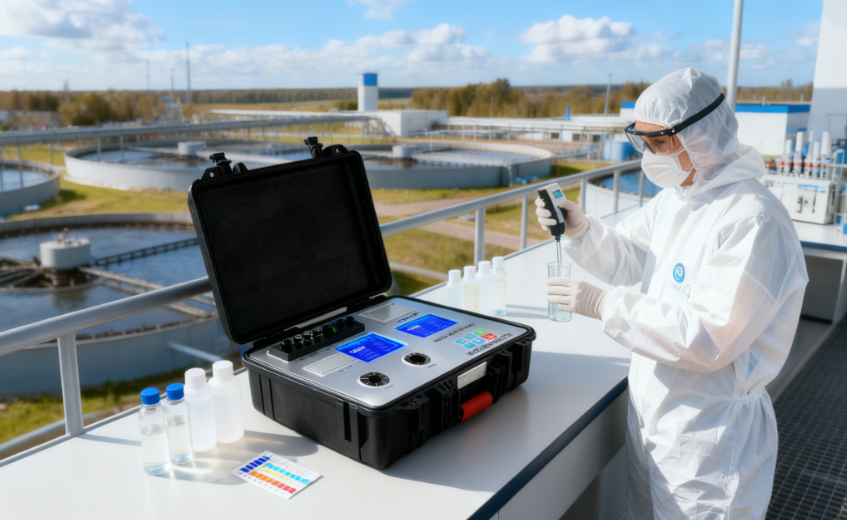
In drinking water and wastewater treatment plants, high TSS can overload filtration systems, reduce treatment efficiency, and increase chemical consumption.
Excessive suspended solids accelerate equipment wear, increase sludge production, and raise maintenance costs for treatment facilities.
Regulatory standards often set strict limits on TSS levels in discharged water. Exceeding these limits can lead to fines, shutdowns, or reputational damage.
TSS can originate from both natural and human activities, including:
Soil erosion from rainfall and runoff
Construction and mining activities
Industrial wastewater discharge
Agricultural runoff
Municipal sewage and stormwater overflow
Identifying the source of TSS is critical for effective water quality management.
While acceptable TSS levels vary by application and regulation, general guidelines include:
Drinking water: As low as possible, typically < 10 mg/L
Surface water: Often < 25–50 mg/L to protect aquatic life
Wastewater discharge: Limits commonly range from 30–100 mg/L, depending on local standards
Regular monitoring ensures compliance and environmental protection.
TSS is traditionally measured through laboratory filtration and gravimetric analysis. However, modern portable instruments allow faster and more efficient field testing.
Field testing enables immediate decision-making, especially in environmental monitoring, wastewater inspection, and emergency response situations.
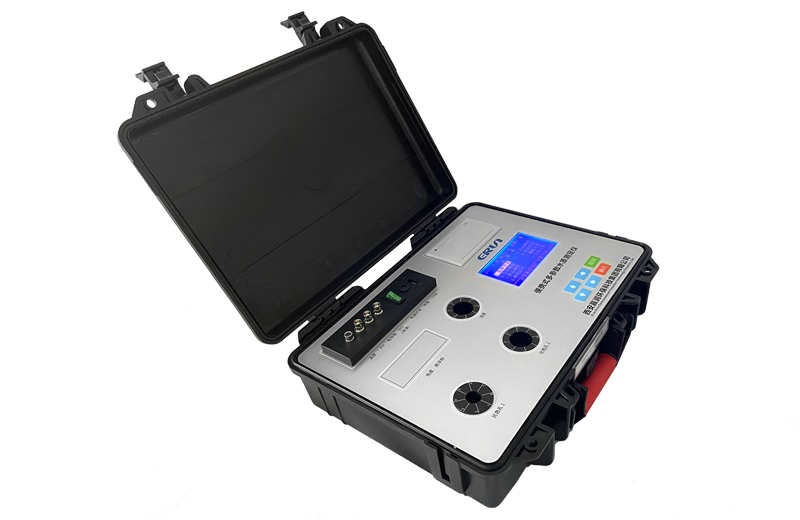
The ERUN-SP7 portable multi-parameter water quality detector is designed to meet the diverse needs of water quality professionals.
Supports TSS, COD, ammonia nitrogen, total phosphorus, total nitrogen, turbidity, and more
Expandable and customizable test parameters
Portable design for on-site testing
Suitable for environmental monitoring, wastewater treatment, and industrial applications
Accurate and stable performance for field and laboratory use
By combining TSS testing with other critical parameters, ERUN-SP7 helps users gain a comprehensive understanding of water quality conditions.
Consistent TSS monitoring helps:
Protect aquatic ecosystems
Optimize water treatment processes
Ensure regulatory compliance
Identify pollution sources early
Reduce operational and environmental risks
With portable instruments like the ERUN-SP7, organizations can monitor TSS efficiently and respond quickly to changes in water quality.
So, how do TSS affect water quality? From reduced clarity and oxygen levels to increased treatment costs and ecological damage, suspended solids play a major role in water health. Accurate measurement and regular monitoring are essential for managing these risks.
The ERUN-SP7 portable multi-parameter water quality detector offers a practical, accurate, and flexible solution for TSS testing across a wide range of applications. For organizations seeking reliable water quality monitoring, investing in advanced portable testing equipment is a smart and sustainable choice.
For more professional water quality testing solutions, visit erunwas.com.