


Nitrate contamination is one of the most common and concerning water quality issues worldwide. Whether you manage drinking water, monitor groundwater, or operate an industrial or agricultural facility, understanding what a good nitrate level for water is is essential for protecting human health and the environment.
In this article, we'll explain safe nitrate levels, why nitrates matter, where they come from, and how to test them accurately with professional water-quality instruments, such as the ERUN-SP7 portable multi-parameter water-quality detector.
Nitrates (NO₃⁻) are nitrogen-based compounds that naturally occur in soil and water. They are highly soluble, meaning they easily dissolve and move with groundwater and surface water.
While low levels of nitrates occur naturally, elevated concentrations are usually caused by human activities such as fertilizer application, wastewater discharge, and industrial processes.
According to international drinking water guidelines:
Good / Safe level:
Below 10 mg/L (as nitrate-nitrogen, NO₃-N)
Maximum allowable level:
10 mg/L NO₃-N (≈ 50 mg/L as nitrate, NO₃⁻)
Water with nitrate levels below this threshold is generally considered safe for human consumption.
Surface water & ecosystems: Ideally below 5 mg/L NO₃-N
Aquaculture: Often recommended below 1–2 mg/L NO₃-N
Industrial & wastewater monitoring: Limits vary depending on discharge standards and local regulations
Maintaining low nitrate concentrations helps prevent environmental issues such as eutrophication and algal blooms.
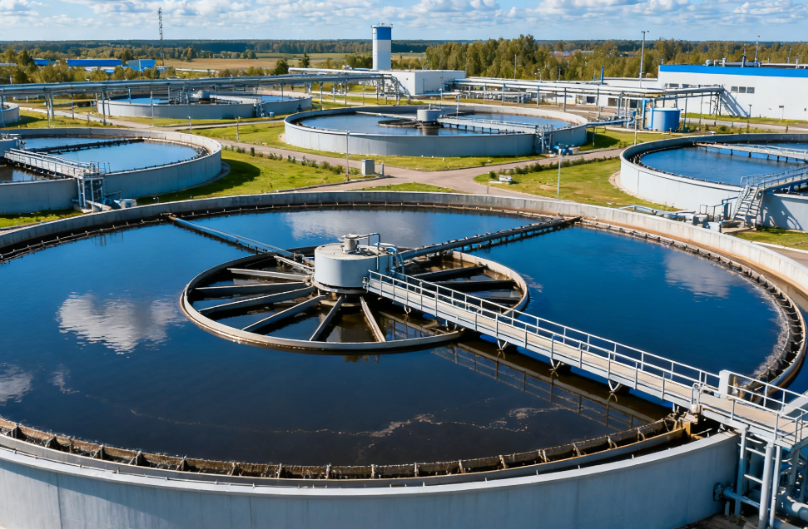
High nitrate levels can pose serious health risks, especially for infants:
Methemoglobinemia (Blue Baby Syndrome)
Nitrates interfere with oxygen transport in the blood.
Potential long-term risks
Studies suggest links between nitrates and certain cancers when combined with other factors.
Excess nitrates can lead to:
Algal blooms
Oxygen depletion in water bodies
Fish kills and ecosystem imbalance
This makes nitrate monitoring critical not only for drinking water safety but also for environmental protection.
Understanding where nitrates come from helps with prevention and control:
Agricultural fertilizers and runoff
Animal manure and livestock operations
Septic systems and sewage leakage
Industrial wastewater
Urban stormwater runoff
Groundwater is particularly vulnerable because nitrates travel easily through soil into aquifers.
Laboratory analysis (high accuracy, time-consuming)
Test strips (quick but limited precision)
Portable water quality analyzers (ideal balance of accuracy and convenience)
For professional monitoring, portable multi-parameter instruments are increasingly preferred.
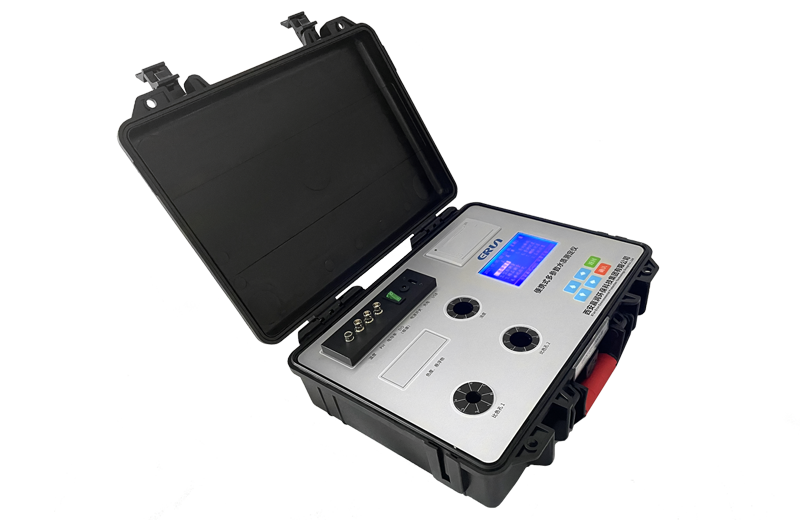
The ERUN-SP7 portable multi-parameter water quality detector is designed for fast, reliable nitrate analysis in the field.
Detects nitrate along with COD, ammonia nitrogen, total phosphorus, turbidity, copper, and more
Supports heavy metals and inorganic salts testing
Expandable and customizable parameters based on testing needs
Portable design for on-site water testing
Ideal for drinking water, groundwater, surface water, and wastewater monitoring
With ERUN-SP7, users can quickly determine whether nitrate levels fall within safe limits and take timely corrective actions.
Regular nitrate testing is recommended if:
You rely on either a well or groundwater
You operate near agricultural or industrial zones
You manage drinking water systems
You monitor wastewater discharge or environmental compliance
Frequent testing ensures early detection of contamination and helps maintain compliance with water quality standards.
A good nitrate level for water is below 10 mg/L NO₃-N, especially for drinking water. Keeping nitrate concentrations low is critical for human health, environmental protection, and regulatory compliance.
By using professional tools like the ERUN-SP7 portable multi-parameter water quality detector, organizations can efficiently monitor nitrates and other key parameters, ensuring safer and more reliable water quality management.
For advanced water testing solutions and expert support, visit erunwas.com.