


Nitrates in water are a common water quality concern worldwide, especially for drinking water, agriculture, and environmental monitoring. While nitrates occur naturally, excessive levels can pose serious risks to human health and aquatic ecosystems. Understanding what nitrates are, where they come from, and how to measure them accurately is essential for water safety and compliance.
This article explains what nitrates in water are, why they matter, acceptable nitrate levels, and how modern water testing instruments like the ERUN-SP7 portable multi-parameter water quality detector help professionals monitor nitrate contamination efficiently.
Nitrates are chemical compounds composed of nitrogen and oxygen (NO₃⁻). In water systems, nitrates form as part of the natural nitrogen cycle when organic matter decomposes. They are colorless, odorless, and tasteless, making them impossible to detect without proper testing.
Although nitrates are essential nutrients for plants, high concentrations in water can become problematic. Because nitrates dissolve easily, they readily migrate into groundwater, rivers, lakes, and drinking water supplies.
Nitrates can enter water naturally through:
Soil mineralization
Decomposition of plants and animals
Atmospheric nitrogen fixation
These sources typically contribute low nitrate concentrations that are not harmful.
Human activities are the primary cause of nitrate pollution, including:
Agricultural fertilizers and livestock waste
Septic systems and sewage discharge
Industrial wastewater
Urban stormwater runoff
Agricultural areas are especially vulnerable, as nitrogen-based fertilizers can leach into groundwater and nearby surface water.
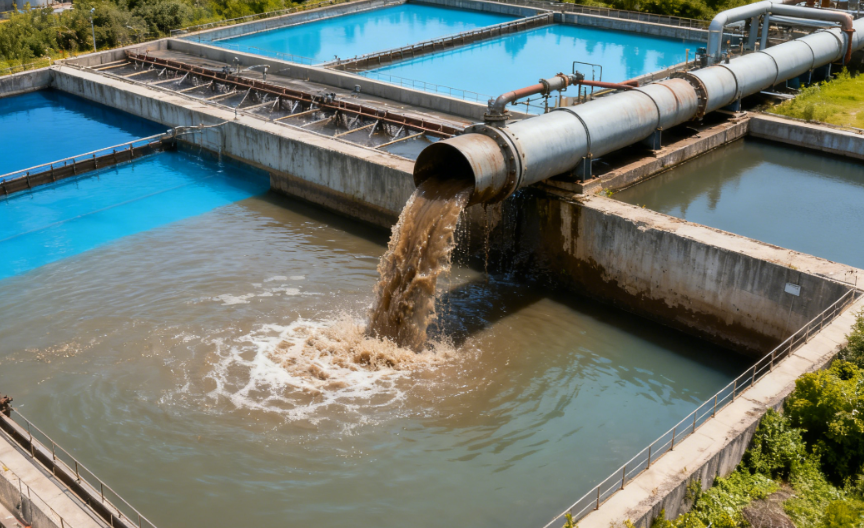
High nitrate concentrations in drinking water can be dangerous, particularly for infants. One of the most serious health risks is methemoglobinemia, also known as “blue baby syndrome,” which reduces the blood’s ability to carry oxygen.
Long-term exposure to elevated nitrate levels may also be linked to:
Thyroid disorders
Certain cancers
Reproductive issues
Excess nitrates contribute to eutrophication, a process where nutrient overload causes excessive algae growth. This reduces oxygen levels in water, leading to fish kills and ecosystem imbalance.
Most regulatory agencies set strict nitrate limits:
Drinking water standard: ≤ 10 mg/L (as nitrate-nitrogen)
Surface water guidelines: vary by region and ecosystem sensitivity
Regular monitoring is critical to ensure compliance with these standards and to protect public health.
Nitrates can be measured using:
Colorimetric analysis
Spectrophotometry
Ion-selective electrodes
Laboratory chemical analysis
Each method varies in accuracy, speed, and suitability for field or laboratory use.
Laboratory testing offers high precision but can be time-consuming. Portable testing instruments provide rapid, on-site results, making them ideal for field inspections, routine monitoring, and emergency assessments.
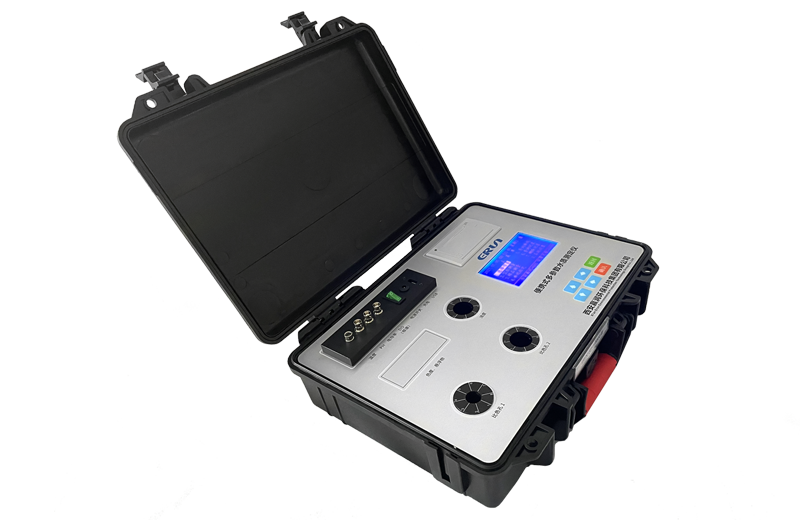
The ERUN-SP7 portable multi-parameter water quality detector is designed for accurate, flexible, and on-site water analysis. It supports nitrate testing along with a wide range of other parameters.
Detects nitrate, ammonia nitrogen, total nitrogen, COD, turbidity, and more
Supports expansion and customization of test parameters
Suitable for drinking water, surface water, groundwater, and wastewater
Portable design for field testing and on-site inspections
Ideal for environmental monitoring, water treatment plants, and industrial testing
By combining nitrate detection with multiple water quality indicators, ERUN-SP7 enables users to efficiently assess overall water conditions.
Nitrate monitoring is essential in:
Drinking water safety inspections
Environmental monitoring agencies
Sewage treatment plants
Agricultural runoff assessment
Industrial water quality management
With its broad detection range, ERUN-SP7 adapts to diverse testing scenarios, ensuring reliable data for decision-making.
Understanding what nitrates in water are is the first step toward protecting human health and the environment. While nitrates are a natural part of the nitrogen cycle, excessive levels pose serious risks and require accurate monitoring.
Using professional tools like the ERUN-SP7 portable multi-parameter water quality detector allows water professionals to measure nitrates precisely, comply with regulations, and respond quickly to contamination risks.
For reliable nitrate testing and comprehensive water-quality analysis, explore advanced solutions from erunwas.com and take control of your water-monitoring needs.