


Maintaining safe and stable water quality is essential for drinking water systems, industrial operations, and environmental management. Two of the most critical parameters in water chemistry are pH and alkalinity. While they are closely related, they play different roles in water quality management. Understanding the importance of both and how to measure them accurately can prevent issues such as corrosion, scaling, and ineffective disinfection. Modern multi-parameter instruments, such as the ERUN-SP7, make it easier than ever to monitor these parameters efficiently in real time.
pH is a measure of hydrogen ion concentration in water, indicating whether water is acidic, neutral, or basic. The pH scale ranges from 0 to 14, with 7 considered neutral. For drinking water, the ideal pH range is typically 6.5 to 8.5, ensuring safety, good taste, and minimal corrosion risk.
pH directly affects water’s chemical behavior. Acidic water (low pH) can corrode pipes, release metals such as lead and copper, and negatively impact taste. Alkaline water (high pH) may cause scaling in pipes and boilers. Additionally, pH influences the effectiveness of disinfection processes, such as chlorine treatment, by affecting microbial inactivation rates.

Alkalinity refers to water’s resistance to sudden pH changes, primarily due to the presence of bicarbonate, carbonate, and hydroxide ions. Unlike pH, which measures acidity or basicity at a single point, alkalinity represents the buffering capacity that stabilizes water chemistry over time.
Alkalinity is crucial for preventing rapid pH swings, which can lead to corrosion in pipes, scaling, or ineffective chemical treatments. Water with low alkalinity is more susceptible to acidification, while high alkalinity can mask pH changes but may contribute to scaling if not properly managed. Stable alkalinity ensures long-term water quality management and operational safety.
pH provides an instant snapshot of water’s acidity, influencing taste, corrosivity, and chemical reactions. Alkalinity, on the other hand, controls how much the pH can fluctuate, acting as a long-term stabilizer. Both are essential, but their roles differ in terms of time scale and water-quality impact.
While pH measures current acidity, alkalinity influences how resistant water is to change. Low alkalinity water may experience rapid pH swings even if the pH initially falls within the safe range. Conversely, high alkalinity can buffer minor pH changes, but excessive alkalinity may result in scaling. Water treatment professionals must consider both parameters together.
Water utilities and industrial operators should monitor both alkalinity and pH. Prioritizing alkalinity ensures system stability, while pH control is necessary for immediate operational safety, corrosion prevention, and disinfection efficiency. Ignoring either parameter can compromise water quality and infrastructure.
For safe drinking water, a pH range of 6.5–8.5 is recommended. This range balances taste, corrosivity, and microbial control, ensuring water is safe for consumption and compatible with distribution infrastructure.
Total alkalinity in water should typically range between 30–400 mg/L as CaCO₃, depending on local water chemistry and system requirements. Adequate alkalinity helps buffer pH, preventing rapid shifts that could damage equipment or reduce treatment efficiency.
Maintaining both pH and alkalinity within the recommended ranges prevents corrosion, scaling, and ensures disinfection chemicals work effectively. This dual focus supports water quality, system longevity, and regulatory compliance.
Traditionally, pH is measured using a digital pH meter, while alkalinity is determined via titration. Although accurate, these methods can be time-consuming and may require laboratory conditions for precise results.
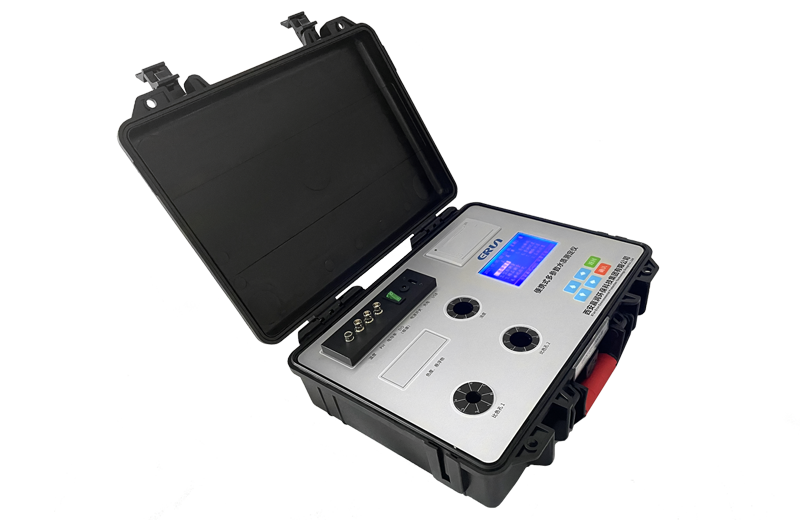
The ERUN-SP7 portable multi-parameter water quality detector simplifies the process by allowing simultaneous measurement of pH, alkalinity (customizable), residual chlorine, COD, turbidity, and heavy metals. Features include:
Automatic wavelength selection for accurate absorbance readings.
5.0-inch LCD screen with clear display (Chinese/English).
On-site portability with data storage for 100 curves and 1999 data points.
Built-in printer and USB interface for easy reporting and data management.
Using devices like the ERUN-SP7 ensures that both pH and alkalinity are monitored quickly and reliably, making field operations and water quality management more efficient.
Drinking Water Utilities: Ensuring a safe and stable water supply by balancing pH and alkalinity.
Industrial Water Systems: Preventing corrosion and scaling in boilers, cooling towers, and pipelines.
Aquaculture & Surface Water Monitoring: Maintaining optimal water chemistry for aquatic life.
By using portable multi-parameter instruments like the ERUN-SP7, operators can make informed decisions on water treatment strategies, improving water safety and infrastructure longevity.
Both pH and alkalinity are essential for water quality management.
pH governs immediate chemical conditions, while alkalinity stabilizes water chemistry over time.
Measuring both parameters using advanced instruments like the ERUN-SP7 ensures reliable, accurate, and efficient water quality monitoring.
Proper management prevents corrosion, scaling and ensures effective disinfection, keeping water safe and systems functional.