


Ensuring safe drinking water requires more than checking for contaminants. One key indicator often overlooked is alkalinity. It plays a crucial role in maintaining water stability, affecting everything from taste to corrosion control. This guide explains why alkalinity testing matters, how it impacts households and industries, and why professional tools like the ERUN-SP7 Portable Multi-Parameter Water Quality Detector offer a more reliable testing experience.
Alkalinity refers to the water’s ability to neutralize acids. It measures the concentration of carbonate, bicarbonate, and hydroxide ions. These substances buffer the water, preventing sudden changes in pH levels. Stable pH is essential because fluctuations can damage pipes, influence disinfectant performance, and affect drinking water safety.
When alkalinity is too low, water becomes more corrosive. When it’s too high, water may taste unpleasant and interfere with treatment processes. That’s why understanding alkalinity is a crucial part of water quality management.
Alkalinity functions as a natural stabilizer. It ensures pH levels stay consistent even if external factors change. Without enough alkalinity, the pH of drinking water drops quickly. This may result in acidic water that corrodes plumbing systems.
Low-alkalinity water pulls minerals from pipes, causing metals like copper, lead, or iron to leach into the water. This not only damages infrastructure but also introduces harmful contaminants.
Testing alkalinity helps identify early risks and prevents expensive repairs.
Excessively high alkalinity can make drinking water taste bitter or leave a chalky residue. Regular monitoring ensures water remains pleasant, especially for households, food production facilities, and beverage companies.

Water treatment plants rely on controlled chemical reactions. Sudden shifts in pH and alkalinity disrupt disinfection efficiency. For example, chlorine becomes less effective in highly alkaline water.
Testing alkalinity ensures treatment chemicals work as intended.
Industries such as pharmaceuticals, boilers, textiles, and agriculture depend on water stability. Alkalinity directly influences scale formation, corrosion, and overall system performance.
This makes periodic testing essential for quality control and safety.
There are several methods to measure alkalinity:
Titration kits
Test strips
Portable digital meters
Among these, professional-grade portable analyzers offer the most reliable and consistent results. They reduce human error, deliver fast readings, and support multiple parameters at once.
The ERUN-SP7 Portable Multi-Parameter Water Quality Detector provides a modern approach to alkalinity and general water testing. It is designed for users who need accuracy, efficiency, and flexibility.
ERUN-SP7 can measure:
Heavy metals
Inorganic salts
Total alkalinity
COD
Ammonia nitrogen
Total phosphorus
Total nitrogen
Chlorine (total and residual)
And more. It also supports customized test items based on user needs.
This makes it suitable for drinking water facilities, laboratories, food processing, industrial operations, and environmental monitoring.
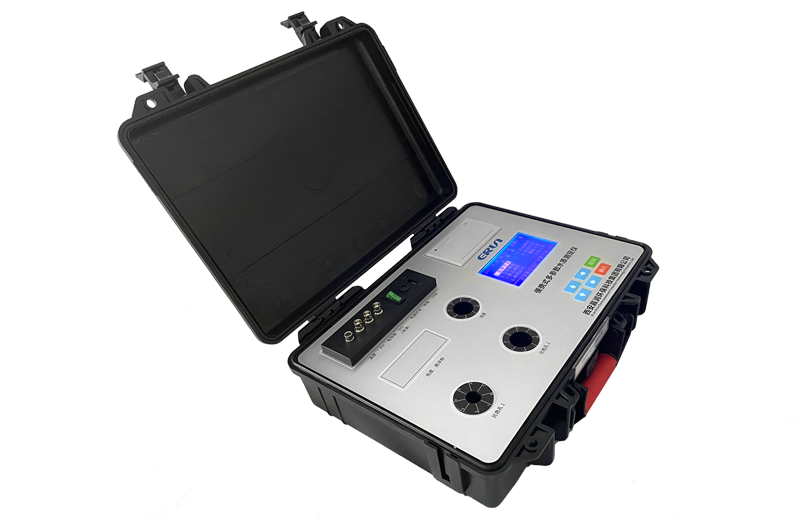
The instrument automatically selects the wavelength during measurement. No manual adjustment is required, which reduces operation steps and improves accuracy.
Its portable design allows quick on-site testing. Whether in municipal facilities, remote locations, or industrial environments, users can gather precise alkalinity and other water quality data instantly.
ERUN-SP7’s intuitive interface helps operators achieve accurate measurements even without advanced technical experience. This improves efficiency for teams managing multiple sampling points.
Yes. Alkalinity doesn’t remain constant. Seasonal changes, water source shifts, and distribution system conditions all influence it. Regular monitoring ensures:
Stable water quality
Reduced corrosion risks
Higher treatment efficiency
Improved safety and compliance
For organizations managing large water systems, periodic testing is not optional; it's essential.
Alkalinity plays a critical role in ensuring safe, stable, and high-quality drinking water. Regular testing helps prevent corrosion, improve taste, optimize treatment processes, and support industrial operations.
A reliable tool like the ERUN-SP7 Portable Multi-Parameter Water Quality Detector offers accurate, convenient, and comprehensive solutions for alkalinity measurement and full-spectrum water analysis.
For water professionals seeking precision and efficiency, ERUN-SP7 is a smart choice that elevates testing standards while simplifying workflows.