


Biochemical Oxygen Demand (BOD) is one of the most critical indicators for evaluating water pollution and assessing the health of aquatic environments. Whether you work in wastewater treatment, environmental monitoring, or industrial discharge control, understanding BOD—and how to measure it accurately—is essential.
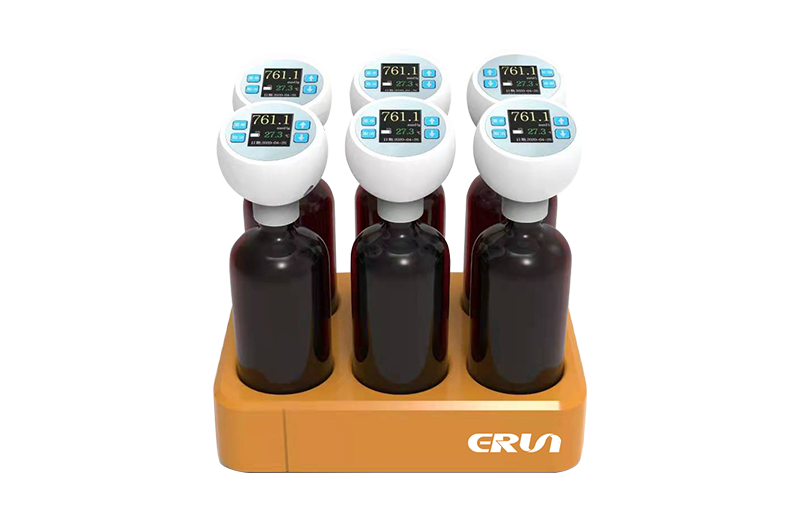
Modern digital instruments, such as the ERUN-SLBOD-B BOD Detector, make this process more reliable, automated, and compliant with environmental standards. This article explores what BOD is, why it matters, how it's measured, and why advanced instruments can dramatically improve your water testing efficiency.
Biochemical Oxygen Demand (BOD) refers to the amount of dissolved oxygen microorganisms need to break down organic matter in water over a specific time period—typically 5 days, known as BOD5.
When water contains high levels of organic pollution (such as sewage, industrial effluents, or agricultural runoff), bacteria consume more oxygen to decompose it. This leads to degraded water quality and threatens aquatic life.
Key points:
High BOD = high pollution
Low BOD = cleaner, healthier water
BOD is therefore a reliable indicator of organic contamination in natural water bodies, wastewater, and treated effluent.
BOD is a core parameter in water testing due to its role in environmental protection and regulatory compliance. It helps organizations:
BOD readings before and after treatment indicate system performance. A significant reduction means effective pollutant removal.
High BOD levels deplete dissolved oxygen, causing fish kills, algae blooms, and ecosystem collapse.
Most countries require strict BOD limits for discharged water. Regular testing helps avoid penalties and ensures environmental responsibility.
Water management organizations use BOD data to track pollution trends over time.

Traditionally, BOD testing follows the HJ 505-2009 standard 5-day incubation method, which involves:
Preparing the sample and diluting if necessary
Measuring initial dissolved oxygen (DO)
Incubating at 20°C for 5 days in a sealed container
Measuring final DO
Calculating oxygen consumption
This conventional method is accurate but requires careful control of incubation conditions, multiple steps, and laboratory supervision.
The ERUN-SLBOD-B Biochemical Oxygen Demand Detector revolutionizes this process by automating sampling, incubation, and monitoring while ensuring compliance with standard methods.
✔ Non-mercury pressure sensing — safer and more environmentally friendly
✔ Fully intelligent design — no need for laboratory personnel to supervise throughout the test
✔ Complies with national standard HJ 505-2009
✔ Simulates natural biological degradation accurately
✔ Stable, reliable 5-day incubation performance
✔ Widely applicable in:
Sewage treatment plants
Environmental monitoring stations
Industrial wastewater facilities
Research institutes and universities
Third-party testing laboratories
This makes ERUN-SLBOD-B an ideal upgrade for facilities seeking high accuracy, reduced workload, and automated data collection.
BOD is the primary indicator used to evaluate treatment efficiency. The lower the BOD in the effluent, the safer it is to discharge.
Industries such as food processing, chemicals, paper, and textiles generate high-BOD effluents that must be treated before discharge.
Rivers, lakes, and reservoirs require routine BOD monitoring to track pollution sources.
Scientists use BOD to study pollution levels, ecosystem health, and long-term water quality trends.
| BOD Level (mg/L) | Interpretation |
< 3 | Excellent water quality |
3–5 | Moderately clean |
5–10 | Poor, contaminated water |
> 10 | Highly polluted |
> 100 | Industrial or untreated wastewater |
High BOD values indicate oxygen depletion, increased microbial activity, and significant organic pollution.
In an era where environmental compliance and data reliability are non-negotiable, laboratories and wastewater facilities need instruments that deliver accuracy, automation, and safety.
The ERUN-SLBOD-B stands out for:
Zero-mercury design (safe for users and the environment)
No manual supervision required during 5-day incubation
High precision differential pressure sensing
Full automation of measurement, recording, and data processing
Stable performance suitable for continuous water quality compliance testing
For organizations that need dependable BOD monitoring, this instrument offers exceptional value and convenience.
BOD measures the amount of oxygen required to break down organic pollutants.
It is one of the most important parameters in evaluating water pollution.
High BOD signals poor water quality and ecosystem risk.
The standard BOD5 method is accurate but labor-intensive.
The ERUN-SLBOD-B BOD analyzer automates the entire process, ensuring compliance, accuracy, and efficiency.
Whether you manage a wastewater plant, operate a testing laboratory, or monitor industrial discharge, reliable BOD testing is essential—and the ERUN-SLBOD-B makes it significantly easier.