


Ensuring safe and clean drinking water is one of the most important responsibilities for municipalities, industries, and households. Among the various factors affecting water quality, Total Suspended Solids (TSS) plays a crucial role. High TSS levels not only compromise the aesthetic quality of water but can also pose significant health and operational risks. In this article, we explore what TSS is, how it affects drinking water, and how modern instruments like the ERUN-SP9 can help ensure water safety.
TSS refers to the solid particles suspended in water, including silt, plankton, organic matter, and industrial debris. Unlike dissolved substances, these particles remain in suspension and can make water appear cloudy or turbid. Understanding TSS levels is essential for maintaining water quality standards.
High TSS can act as a carrier for pathogens, heavy metals, and other contaminants. Water with excessive suspended solids can harbor bacteria or viruses, increasing the risk of waterborne diseases. Furthermore, TSS can affect water treatment processes, making it harder to meet safe drinking water standards.
Erosion, soil runoff, and decaying organic material contribute naturally to TSS in rivers, lakes, and reservoirs. Seasonal changes, such as heavy rainfall, can increase sediment levels in water sources.
Construction, mining, industrial discharge, and untreated wastewater are major anthropogenic contributors to TSS. These activities can drastically elevate suspended solids in nearby water bodies.
Environmental factors like storms, snowmelt, and flooding can introduce significant amounts of suspended solids into drinking water sources. Regular monitoring is necessary to adapt treatment processes accordingly.
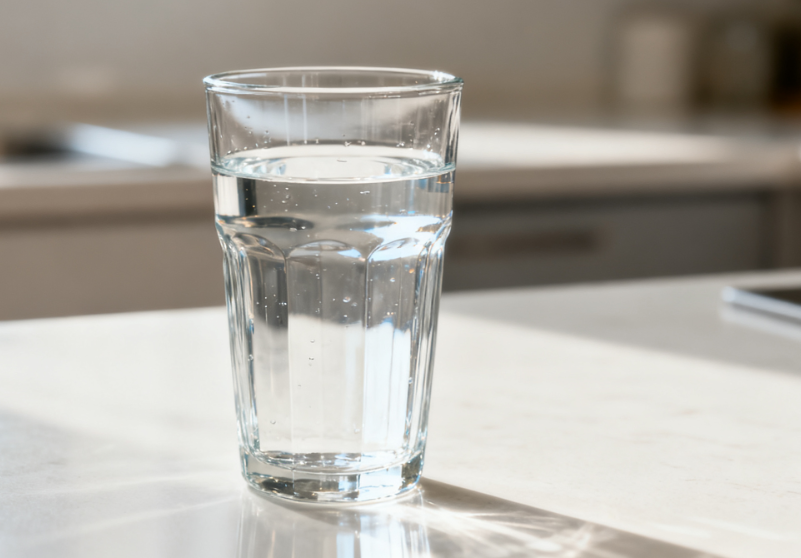
High TSS levels make water appear cloudy or turbid, impacting aesthetics and consumer confidence. Suspended solids can also accumulate in pipes and filtration systems, reducing operational efficiency.
TSS can carry heavy metals such as copper and zinc, and nutrients that promote bacterial growth. This combination poses risks for both human health and water system infrastructure.
Water with high TSS may have an unpleasant taste or odor. Maintaining low TSS ensures drinking water remains appealing and safe for consumption.
Conventional methods include filtration and gravimetric techniques, which involve collecting water samples, filtering, and measuring the residue. While accurate, these methods are labor-intensive and not practical for frequent field testing.
The ERUN-SP9 portable multi-parameter water quality tester provides a modern solution. Its 16-channel optical design allows simultaneous detection of TSS, conductivity, pH, TDS, salinity, dissolved oxygen, and water temperature. The device supports a free combination of parameters to meet diverse testing needs, making it ideal for real-time water monitoring.
Frequent TSS measurement helps detect water quality fluctuations before they become critical, ensuring safe drinking water and smooth operation of filtration systems.
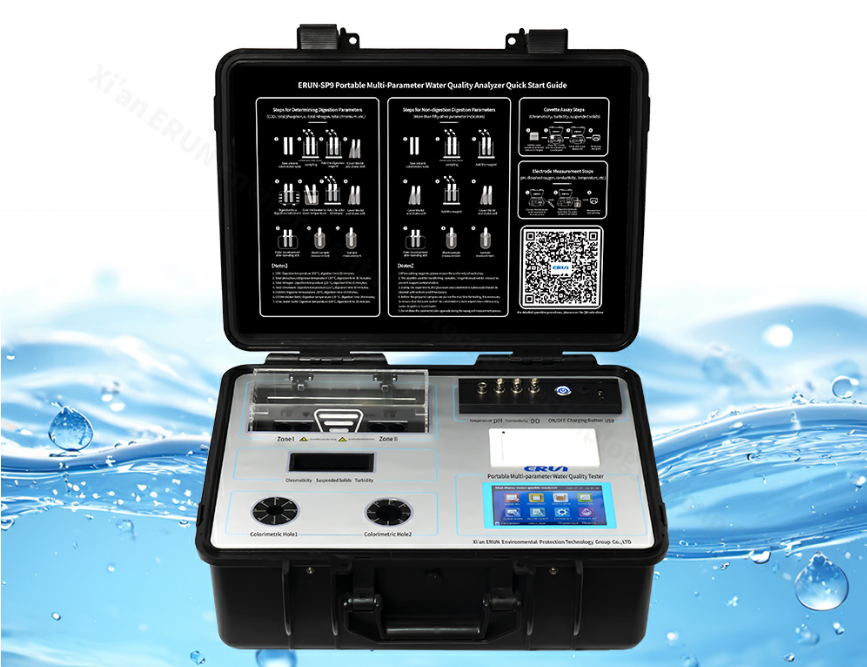
Cities use ERUN-SP9 to monitor TSS in reservoirs and distribution systems, ensuring water meets regulatory standards before reaching consumers.
Industries rely on consistent water quality for manufacturing and cooling processes. ERUN-SP9 provides precise on-site monitoring to prevent operational issues.
Universities and environmental agencies utilize ERUN-SP9 for research and water quality assessments, benefiting from its portability and multi-parameter detection capabilities.
Sedimentation, coagulation, and flocculation help remove large suspended particles before water enters filtration systems.
Sand filters, membrane filtration, and other advanced systems effectively reduce TSS and associated contaminants.
Using devices like ERUN-SP9, water utilities can maintain optimal TSS levels, ensuring safe drinking water at all times.
Total Suspended Solids significantly affect the quality, safety, and perception of drinking water. High TSS levels can carry pathogens and heavy metals, damage infrastructure, and create operational challenges. Regular monitoring with modern instruments like ERUN-SP9 ensures water safety, compliance with standards, and public trust.
Invest in reliable water quality monitoring today—choose ERUN-SP9 for accurate, real-time TSS detection and multi-parameter water analysis.