


Dissolved oxygen (DO) is one of the most fundamental parameters used to evaluate wastewater quality and treatment efficiency. Whether in municipal sewage plants, industrial wastewater systems, or environmental monitoring scenarios, DO levels directly influence microbial activity, organic pollutant removal, and the ecological safety of discharged effluent. When DO falls out of the optimal range, biological treatment weakens, odors increase, and downstream ecosystems can be severely impacted.
Understanding how DO behaves in wastewater—and how to measure and control it—is essential for ensuring stable treatment processes. This article explains the importance of DO, how it affects wastewater treatment, and how modern instruments like the ERUN-SP9 multi-parameter water quality detector help operators maintain reliable DO data.
Dissolved oxygen refers to the amount of oxygen dissolved in water, expressed in mg/L or percentage saturation. While natural water typically contains sufficient oxygen from atmospheric mixing and photosynthesis, wastewater introduces organic matter that consumes oxygen during microbial degradation.
In aerobic wastewater treatment, microorganisms require DO to break down organic pollutants. If DO is not adequate, treatment efficiency declines because microbes transition into anaerobic conditions. This shift not only slows down decomposition but also produces undesirable byproducts, including ammonia, hydrogen sulfide, and foul odors.
For discharged effluent, DO also plays a role in protecting aquatic ecosystems. Water with low DO can stress or kill fish and aquatic organisms, creating environmental issues and potential regulatory violations.
Low DO is one of the most common challenges in wastewater treatment. Typical consequences include:
Inefficient Biological Treatment: Aerobic bacteria cannot function effectively, leading to incomplete degradation of organic matter.
Odor Formation: Anaerobic bacteria take over, producing methane, hydrogen sulfide, and volatile organic compounds.
Increased Pollution Load: Effluent with low DO may further deplete oxygen in receiving waters, harming aquatic life.
Although rare, excessively high DO can cause:
Unstable microbial activity in certain treatment processes
Higher operational costs due to unnecessary aeration
Accelerated corrosion of pipelines and equipment
Temperature plays a significant role in DO levels. Warm water holds less oxygen, meaning summer conditions or heated industrial effluent require more careful monitoring. Similarly, high organic loads or chemical pollution can rapidly reduce DO.
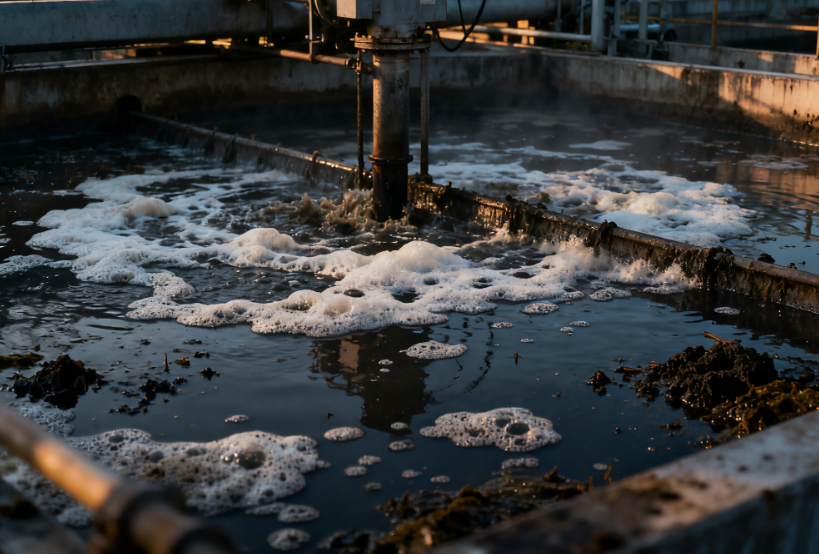
Maintaining DO within a recommended range ensures stable biological treatment. Typical guidelines include:
Aeration tanks: 2–4 mg/L
Secondary clarifiers: 1–2 mg/L
Treated effluent before discharge: ideally above 5–6 mg/L to support aquatic ecosystems
These values vary depending on wastewater composition, treatment type, and regulatory standards. Continuous monitoring allows operators to adjust aeration intensity, optimize microbial activity, and prevent process disruptions.
Modern wastewater treatment relies on real-time DO monitoring. The most common methods include:
DO sensors measure oxygen partial pressure through membrane-based or optical electrodes. These instruments provide instant readings, making them ideal for continuous monitoring in aeration tanks, channels, and effluent outlets.
Optical DO technology offers high accuracy, fast response, and low maintenance. It has become increasingly popular for wastewater applications where stability and long-term deployment are essential.
DO does not act alone. It is closely tied to factors like temperature, pH, TDS, salinity, and organic pollutants. For example:
Low DO might indicate high COD/BOD loading
High conductivity may suggest industrial contamination
Temperature changes can alter oxygen solubility
A multi-parameter device provides a comprehensive understanding of water quality instead of isolated measurements.
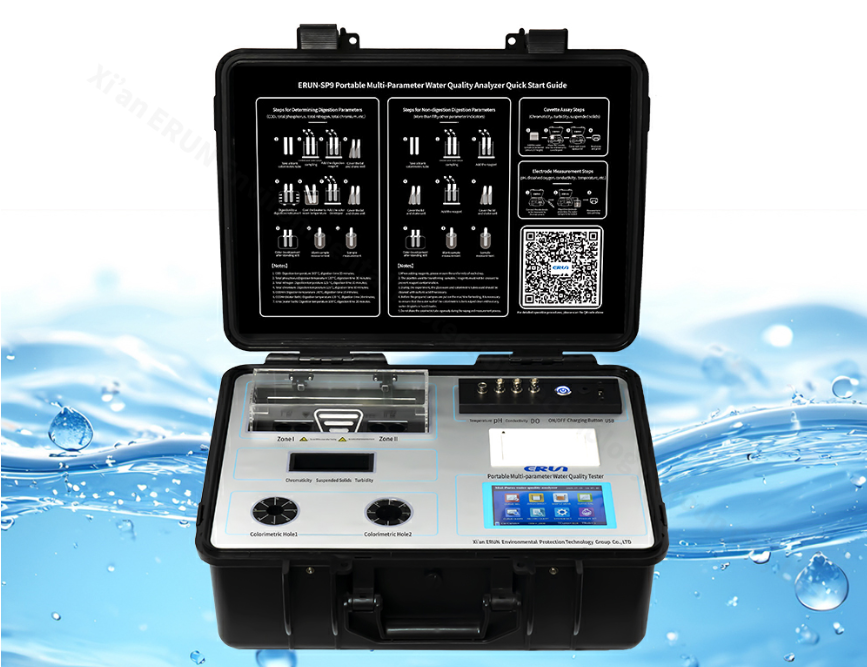
For wastewater treatment operations that require accurate, multi-dimensional analysis, the ERUN-SP9 offers a professional and flexible solution.
Advanced optical method with a 16-channel design for simultaneous testing
Detects over 60 water quality parameters
Measures DO, pH, conductivity, TDS, salinity, temperature, and more
Supports custom parameter configurations based on user needs
Suitable for laboratories, field monitoring, wastewater plants, and environmental testing agencies
By integrating DO measurement with other essential parameters, ERUN-SP9 enables operators to see the full picture behind water quality changes. Whether diagnosing low DO, optimizing aeration, or checking effluent compliance, ERUN-SP9 delivers fast, stable, and reliable data.
Its portability and flexible configuration make it a powerful tool for wastewater engineers, environmental experts, and facility managers who need accurate and efficient water quality monitoring.
To ensure efficient treatment performance, operators can follow these guidelines:
Monitor DO frequently, especially during peak inflow periods or industrial discharges
Optimize aeration by adjusting blower output based on real-time DO data
Track related indicators such as COD, temperature, and pH to diagnose DO fluctuations
Conduct routine maintenance on DO sensors and equipment for consistent accuracy
Use portable multi-parameter devices like ERUN-SP9 for on-site testing and rapid decision-making
Dissolved oxygen plays a critical role in wastewater treatment performance, environmental protection, and operational stability. Understanding DO behavior—and having the right tools to measure it accurately—allows treatment facilities to maintain efficiency, avoid odors, and meet discharge standards.
With its comprehensive testing capabilities and configurable multi-parameter design, ERUN-SP9 offers a practical and advanced solution for monitoring DO and ensuring water quality compliance. For facilities seeking reliable, accurate, and versatile wastewater analysis, ERUN-SP9 is a powerful instrument that enhances both process control and environmental responsibility.