


Chemical Oxygen Demand (COD) is one of the most important indicators in wastewater treatment. A high COD level means a large amount of organic matter is present, which can harm aquatic life, disrupt treatment systems, and violate discharge standards. Understanding how to reduce COD in wastewater is therefore essential for factories, treatment plants, and environmental monitoring teams.
This article explains the main causes of high COD, the most effective reduction methods, and how advanced tools, such as the ERUN-SP9 multi-parameter water quality detector, can significantly improve testing accuracy and overall treatment efficiency.
COD levels increase when water contains large amounts of oxidizable substances. These may include:
Industries such as textiles, food processing, and pharmaceuticals often release wastewater rich in proteins, sugars, oils, and chemicals.
Dyes, solvents, cleaning agents, phenols, and other compounds significantly contribute to elevated COD.
When screening, sedimentation, or biological systems cannot handle the inflow, organic matter accumulates, and COD rises.
Understanding the source helps identify the right reduction strategy.
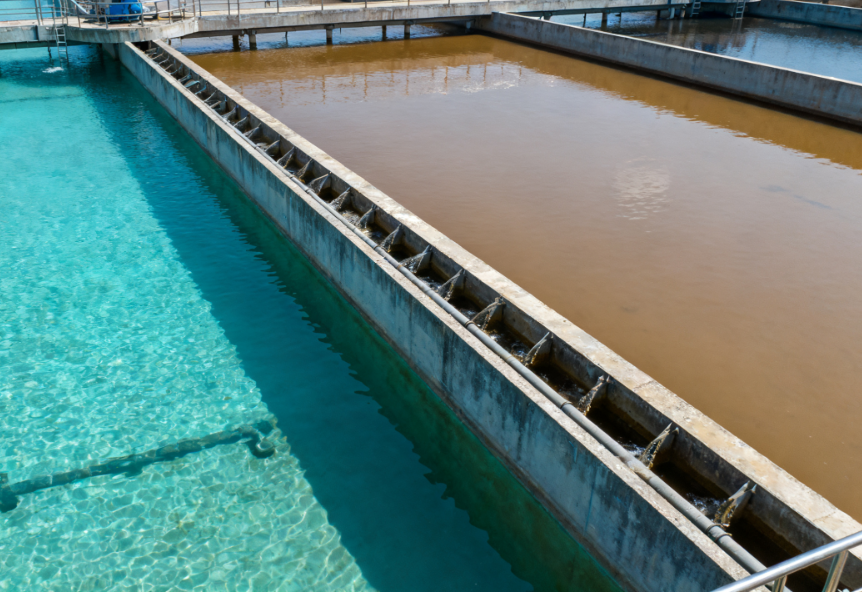
Below are the industry-accepted COD reduction technologies used in factories and wastewater treatment facilities.
Removing large particles, sludge, and suspended solids reduces COD at the source.
Sand filters, ultrafiltration (UF), or membrane systems can help remove a portion of organic matter before further treatment.
Best for: food processing, municipal sewage, textile pre-treatment.
Biological processes are the most sustainable way to lower COD.
Microorganisms break down organic matter in aeration tanks, effectively reducing COD and BOD.
Ideal for high-strength industrial wastewater, it decomposes organic compounds without oxygen.
Provides controlled treatment cycles to enhance COD removal, especially for fluctuating wastewater volumes.
Chemical treatment is often used when pollutants are not biodegradable.
Chemicals such as PAC or ferric chloride help remove colloids and organic compounds.
Fenton, ozone, UV-H₂O₂, and other oxidation methods can efficiently break down complex pollutants.
Many COD components become easier to remove in optimized pH conditions.
Chemical methods provide fast results, making them ideal for factories requiring stable compliance.
Activated carbon adsorbs dissolved organics, making it useful as a final polishing step after primary treatment.
Types of carbon used:
Powdered activated carbon (PAC)
Granular activated carbon (GAC)
Suitable for: the chemical industry, petroleum, and the pharmaceutical industry.
The most effective COD reduction often comes from combining methods, such as:
Physical + biological
Biological + Fenton oxidation
Coagulation + activated carbon
Integrated treatment helps meet stricter discharge standards.
Reducing COD is not just about treatment—it also requires accurate, continuous water quality monitoring. Without reliable data, it’s difficult to:
Identify system overload
Optimize aeration or chemical dosing
Detect early signs of treatment failure
Maintain regulatory compliance
This is where advanced multi-parameter testing instruments become valuable.
The ERUN-SP9 is designed to support wastewater treatment plants, factories, laboratories, and environmental monitoring units in achieving accurate and efficient COD management.
Allows simultaneous detection of more than 60 water quality parameters.
Capable of measuring:
pH
Conductivity
TDS
Salinity
Dissolved oxygen
Water temperature
And many more parameters essential for COD control
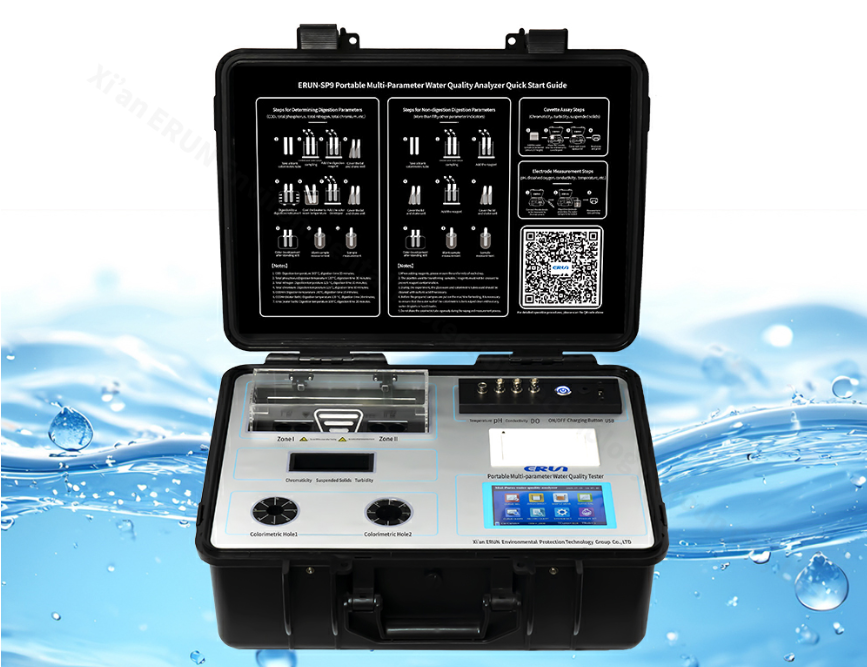
Users can freely combine and configure testing items to match on-site needs.
Ensures reliable measurements during COD optimization processes such as aeration control, chemical dosing, or process evaluation.
Including municipal sewage plants, industrial wastewater treatment, environmental monitoring labs, and universities.
By enabling more precise water quality monitoring, ERUN-SP9 helps users apply COD reduction strategies more confidently and efficiently.
Lowering COD in wastewater requires a combination of proper treatment methods and accurate monitoring tools. Whether you use physical, biological, or chemical methods—or an integrated system—success depends on real-time, reliable data.
With its multi-parameter testing capabilities and advanced optical design, ERUN-SP9 provides the essential support needed to optimize COD reduction and ensure compliance with environmental standards.
For factories and treatment facilities aiming to improve wastewater quality, investing in smarter monitoring instruments is a key step toward long-term success.