


Biological Oxygen Demand, commonly called BOD, is one of the most important indicators used to evaluate wastewater quality. Whether you manage an industrial facility, operate a wastewater treatment plant, or work in laboratory testing, understanding BOD is essential for assessing pollution levels and ensuring regulatory compliance. This guide explains what BOD is, why it matters, how it is measured, and how advanced tools like the ERUN-SLBOD-B BOD Detector can make testing more accurate and efficient.
BOD measures the amount of dissolved oxygen that microorganisms need to break down organic matter in water. When wastewater contains a high level of organic pollutants, microbes consume more oxygen during decomposition. This increased oxygen demand reflects higher BOD values.
High BOD levels indicate poor water quality and potential environmental risk. If discharged untreated, such wastewater can deprive rivers and lakes of oxygen, harming fish and disrupting ecosystems. Because of this, many countries enforce strict discharge limits, making BOD monitoring essential for industries and municipal treatment facilities.
Biological Oxygen Demand is essentially a measure of microbial respiration. It shows how active bacteria become when exposed to organic materials in water.
There are a few essential points to understand:
● The higher the BOD value, the higher the organic pollution level.
● BOD is expressed in milligrams per liter (mg/L).
● The standard BOD test measures oxygen consumption over five days, known as BOD5.
Many users compare BOD vs COD. While COD measures total chemical oxygen demand, BOD measures only the biodegradable portion. Both parameters together create a clearer picture of wastewater characteristics.
BOD is a crucial parameter for three major reasons:
First, it reflects the organic pollution load in wastewater. Higher BOD means higher oxygen depletion potential, posing direct risks to aquatic environments.
Second, regulatory authorities require industries to maintain wastewater discharge within acceptable BOD limits. Failure to comply can lead to penalties, shutdowns, or license revocation.
Finally, BOD data helps treatment facilities monitor biological treatment efficiency. A decreasing BOD level after treatment indicates that the system is working effectively.
For environmental safety and operational compliance, regular BOD testing is not optional—it is essential.
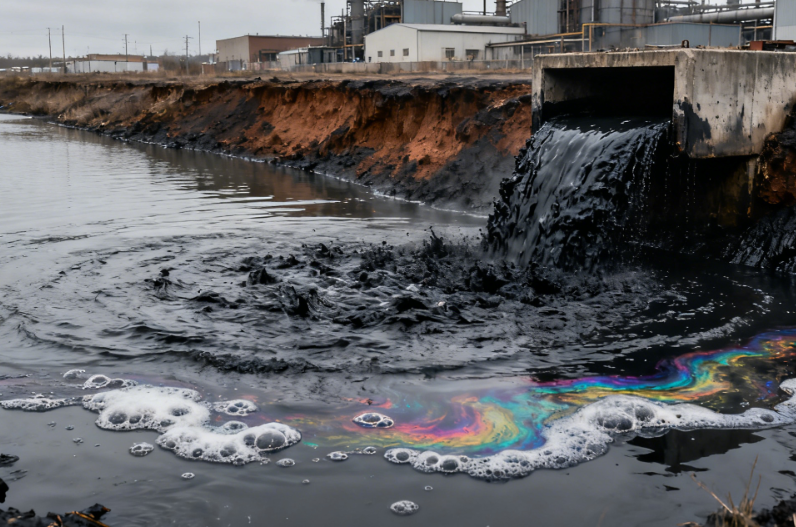
The standard method for measuring BOD is the Five-Day BOD Test (BOD5). This globally recognized procedure includes several steps.
A wastewater sample is first diluted. Then, seed microorganisms may be added if the water lacks sufficient bacteria. The sample is placed inside a sealed bottle, oxygen-saturated, and incubated at a stable temperature, typically 20°C. After five days, the dissolved oxygen level is measured again. The difference between the initial and final oxygen values represents the BOD.
Because environmental factors such as temperature, microbial availability, and sample freshness can affect the results, laboratories use controlled conditions to ensure accuracy. Modern instruments also help improve consistency by providing digital measurements and better oxygen monitoring.
While BOD is important, it doesn’t fully describe wastewater quality on its own. Professionals typically monitor additional indicators to obtain a complete assessment.
These include:
● COD (Chemical Oxygen Demand)
● Ammonia nitrogen (NH₃-N)
● Total nitrogen (TN)
● Total phosphorus (TP)
● Residual chlorine and total chlorine
● Turbidity, color, and hardness
● Heavy metals such as copper, chromium, manganese, iron, zinc, and aluminum
Monitoring these parameters ensures that water quality meets environmental discharge standards and that treatment processes are working effectively.
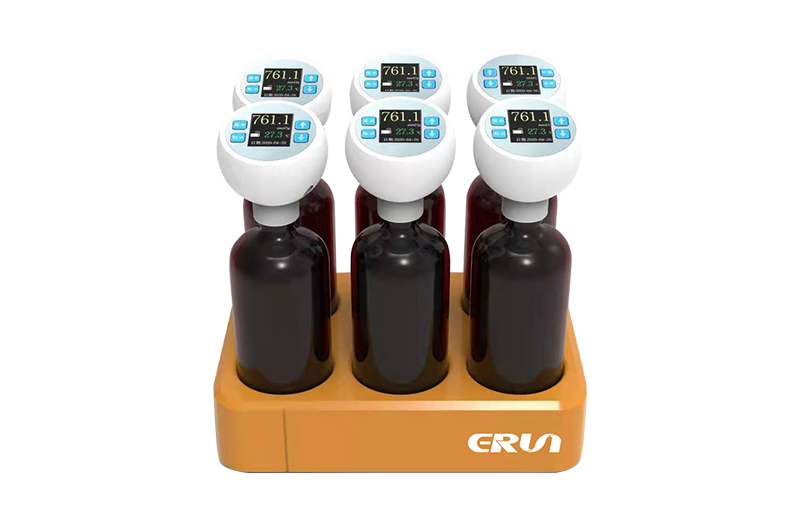
The ERUN-SLBOD-B BOD Biochemical Oxygen Demand Detector is based on the HJ505-2009 5-day incubation method, simulating natural microbial degradation of organic matter. It uses a non-mercury differential pressure sensing method, making it safe, precise, and environmentally friendly.
The detector features a fully intelligent design, allowing the experimental process to run without laboratory personnel on duty. This significantly reduces labor costs and operational complexity.
Ideal for:
Sewage enterprises
Environmental monitoring organizations
Sewage treatment plants
Third-party testing laboratories
Scientific research and universities
By adopting this instrument, facilities can achieve accurate, consistent BOD readings, improve process control, and ensure compliance with environmental standards.
BOD remains one of the most essential indicators of organic pollution in wastewater. It helps industries maintain compliance, protects natural ecosystems, and ensures treatment processes function properly. While the BOD5 test is the global standard, monitoring related parameters such as COD, nitrogen compounds, phosphorus, metals, and chlorine provides a more complete picture of water quality.
Invest in reliable BOD testing today and safeguard water quality with intelligent automation.