


In the global water treatment industry, residual chlorine detection is critical to ensuring water safety and compliance with international standards. Accurate, real-time monitoring is essential for drinking water disinfection, wastewater treatment, aquaculture, and boiler water maintenance to prevent microbial contamination and equipment corrosion. As a professional Chinese water quality detector manufacturer, we recommend the ERUN-K6I Online Residual Chlorine Sensor (Flow-through type) — a cost-effective, high-stability solution for global markets (official details: https://www.erunwas.com/products-detail/id-342.html).
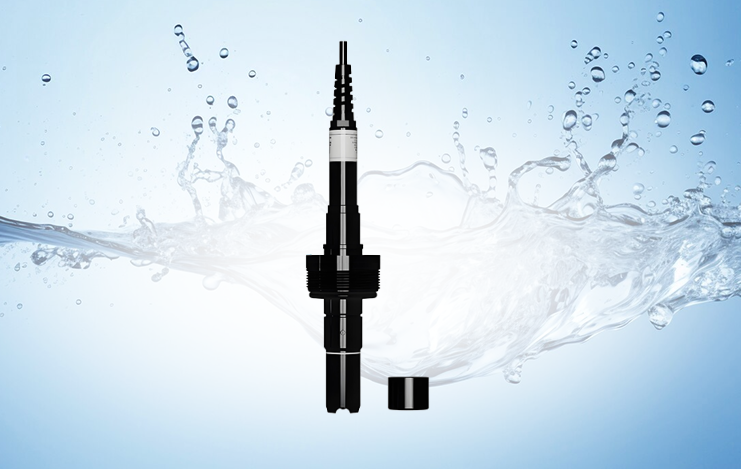
Residual chlorine inhibits harmful microbial reproduction and ensures water safety during transportation. Excessive residual chlorine produces harmful by-products, while insufficient levels cause microbial overgrowth. Compliance with standards like ASTM D1253, ISO 9300:2014, and EPA regulations is mandatory for enterprises worldwide, making high-quality online sensors a necessity.
Enterprises often face challenges like complex water quality interference, poor long-term stability, unsuitable installation, difficult data integration, and high maintenance costs. The ERUN-K6I addresses these pain points with its advanced design and performance.
Mainstream online residual chlorine detection technologies include: Constant Voltage Method (fast, accurate, no reagents, low maintenance — ideal for industrial use), Membrane Polarography (good selectivity but high maintenance), and Colorimetric Method (suitable for lab/small-scale use). The ERUN-K6I adopts the Constant Voltage Method, optimal for continuous online monitoring.
Independently developed by ERUN Group, the ERUN-K6I meets international standards and is favored by customers in Europe, America, and Southeast Asia. Its core parameters and advantages are as follows:
Measuring Range: 0.00~20.00mg/L; Principle: Constant Voltage Method; Accuracy: ±2%FS; Temperature Range: 0.0~60.0℃; Temperature Compensation: Automatic/Manual; Flow Rate: 15~30L/h; Housing: ABS; pH Range: 5~9pH; Output: 4~20mA; Communication: RS485; Power: DC9~30V; IP Rating: IP68; Installation: Flow-through type (M39*1.5 connection).
High Stability & Accuracy: ±2%FS accuracy, automatic temperature compensation, and high-quality electrodes ensure reliable data in complex water.
Strong Adaptability: IP68 protection, ABS corrosion-resistant housing, and wide temperature/pH range suit global environments.
Easy Maintenance: Flow-through design avoids fouling; no frequent reagent replacement, reducing operational costs.
Easy Integration: Supports 4~20mA output and RS485 (Modbus RTU), integrating seamlessly with PLC/DCS/cloud platforms.
Cost-Effective & Customizable: Factory-direct pricing; customizable range, cable length, and connections.
International Compliance: Meets ASTM D1253, ISO 9300:2014, and EPA standards for global market access.
Widely used in drinking water treatment, wastewater treatment, aquaculture, industrial water (boiler/cooling water), and biomedical disinfection, providing continuous real-time monitoring.
Key criteria: compliance with target market standards, stability/accuracy (≤±2%FS), environmental adaptability (IP67+), standard communication, cost-effectiveness, and after-sales support. The ERUN-K6I meets all these, with 24-hour technical support and a one-year warranty.
Installation: Secure flow-through connection (M39*1.5), control flow at 15~30L/h, avoid electromagnetic interference, use standard 5m cable (customizable). Maintenance: Clean electrodes monthly, calibrate every 3~6 months, check cable connections regularly.
Q1: Flow-through vs Immersion: Flow-through avoids fouling (ERUN-K6I type) for large-flow systems; immersion suits small/static water. Q2: Seawater Use: Custom anti-corrosion electrodes recommended for high-salinity water. Q3: Remote Monitoring: Yes, via RS485/Modbus RTU. Q4: Service Life: 2~3 years with regular maintenance; replaceable electrodes.
The ERUN-K6I Online Residual Chlorine Sensor combines high performance, adaptability, and cost-effectiveness, ideal for global water treatment needs. For details, visit https://www.erunwas.com/products-detail/id-342.html. We cooperate with global partners to deliver reliable water safety solutions.