


For water treatment professionals, accurate and efficient residual chlorine monitoring is non-negotiable—it’s the cornerstone of ensuring water safety, meeting regulatory standards, and optimizing operational efficiency. Residual chlorine, the remaining chlorine post-disinfection, exists in two key forms: free chlorine (the active disinfectant that combats pathogens) and combined chlorine (weaker, longer-lasting chloramines). Total chlorine, their sum, is critical for assessing disinfection efficacy and compliance with guidelines from the EPA and WHO, which recommend 0.2–0.5 mg/L for drinking water.
When it comes to monitoring methods, the industry has long relied on the traditional DPD colorimetric method—but advances in electrochemical technology are changing the game. Let’s break down the key differences between amperometric online sensors and DPD analyzers, and why modern water treatment facilities are making the switch.
The DPD method, a long-standing laboratory standard, relies on reagent reactions that produce a pink hue, measured via optical absorbance. While it’s widely recognized, it’s inherently batch-based—meaning results take minutes, not seconds—and requires constant reagent refills, pump maintenance, and replacement parts, driving up operational costs. Worse, it’s highly sensitive to water matrix interference, such as turbidity and color, which can skew readings.
Amperometric sensors, by contrast, offer a more efficient, reliable solution. These electrochemical devices measure the current generated by chlorine oxidation/reduction in water, delivering real-time continuous data in seconds—no reagents required. This translates to lower maintenance, minimal operating costs, and greater resistance to water matrix variations (thanks to pH and temperature compensation).
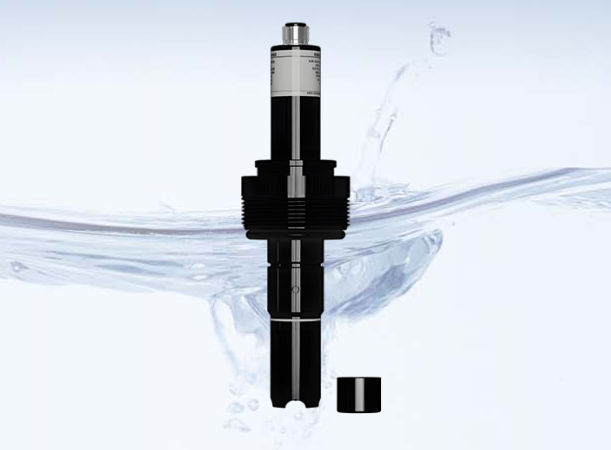
The ERUN-K6H Online Residual Chlorine Sensor is a next-generation amperometric electrode designed to address the unique needs of municipal, industrial, and environmental water treatment applications. Built for durability and performance, it stands out for its:
Precision & Versatility: 0.00–20.00 mg/L measurement range with ±2% FS accuracy, covering everything from drinking water to high-concentration industrial applications. Automatic temperature compensation (0–60°C) ensures consistent readings in varying conditions.
Seamless Integration: Dual 4–20 mA analog and RS485 digital outputs, making it easy to connect with existing PLCs, SCADA systems, and IoT platforms—critical for modern, data-driven operations.
Durability: IP68-rated ABS housing, built to withstand harsh, humid environments common in water treatment facilities, from outdoor distribution points to industrial cooling towers.
Low Total Cost of Ownership: No reagent consumables, minimal maintenance (only periodic membrane cleaning), and a 12–24 month service life with proper care—far more cost-effective than DPD analyzers over time.
From drinking water treatment plants (monitoring free chlorine at outlets) to wastewater facilities (tracking total chlorine in effluent), the ERUN-K6H is versatile enough to meet diverse industry needs. It’s also ideal for swimming pools, food and beverage processing, aquaculture, and pharmaceutical manufacturing—any application where real-time, reliable chlorine monitoring is essential.
For water treatment teams looking to streamline operations, reduce costs, and ensure compliance, amperometric sensors like the ERUN-K6H are a clear upgrade over traditional DPD methods. Their real-time data, low maintenance, and durability make them the future of residual chlorine monitoring—helping facilities stay ahead of regulatory requirements and protect public health.
Ready to learn how the ERUN-K6H can transform your water quality monitoring?
Visit www.erunwas.com, email [email protected], or call +86 18166600151 for technical details or a quotation.