


In the international pharmaceutical landscape, water is the most critical raw material. Whether it is Purified Water (PW) for formulations or Water for Injection (WFI) for parenterals, the presence of organic contaminants can compromise drug stability, foster microbial growth, and endanger patient safety.
Total Organic Carbon (TOC) has emerged as the gold standard for measuring organic purity, shifting from a laboratory luxury to a mandatory regulatory requirement worldwide.
Global pharmacopeias have harmonized their standards to ensure a consistent level of safety across international borders.
Harmonized Limits: For both PW and WFI, the TOC limit is strictly set at 500 ppb 0.5 mg/L across USP <643>, EP 2.2.44, and the ChP.
System Suitability Test (SST): International standards require TOC equipment to demonstrate its ability to oxidize both easily oxidizable compounds (like Sucrose) and difficult-to-oxidize compounds (like 1,4-Benzoquinone) to ensure comprehensive detection.
Data Integrity (21 CFR Part 11): For manufacturers exporting to global markets, TOC analyzers must feature audit trails, electronic signatures, and multi-level user access to prevent data manipulation and ensure "ALCOA+" principles.
A TOC analyzer designed for the global pharmaceutical market must meet several high-performance benchmarks to remain compliant and reliable.
Ultra-Low Detection Limits: For high-purity WFI systems, the device must have a Limit of Detection (LOD) of 1 ppb at lower. This sensitivity is crucial for catching subtle contamination spikes before they compromise a batch.
Complete Oxidation Technology: Utilizing UV/Persulfate or Membrane Conductivity ensures the total breakdown of complex organic chains into measurable CO2.
Rapid Response Time: In online monitoring scenarios, a response time of under 3 minutes is essential. This allows for real-time diversion of water via three-way valves if an excursion occurs, protecting the storage tank from contamination.
TOC technology serves two primary roles in a modern pharmaceutical facility.
1. Process Analytical Technology (PAT)
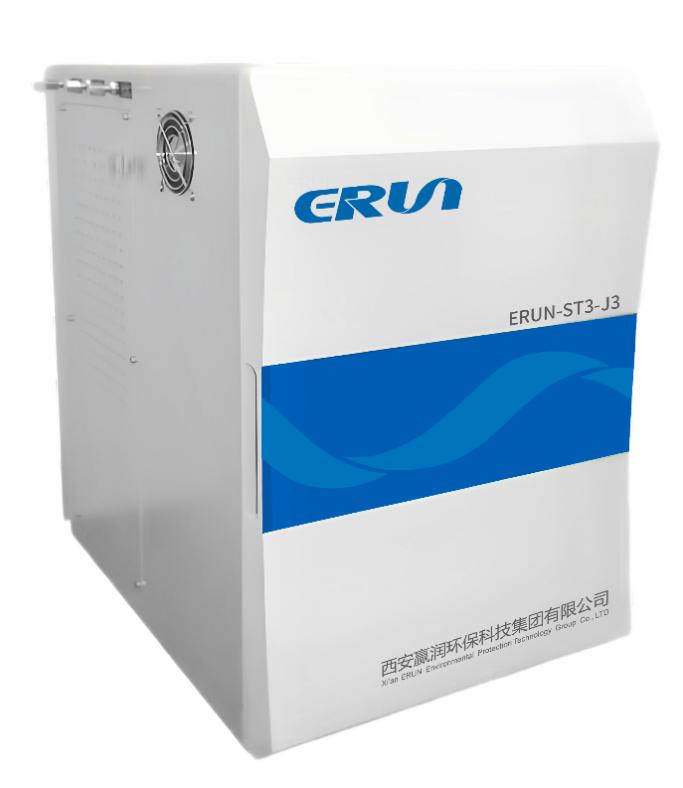
Online TOC monitoring is the standard for WFI return loops. Unlike manual sampling, it eliminates the risk of "secondary contamination" from sample containers or environmental exposure, providing a continuous record of the system's "health."
2. Cleaning Validation
In offline laboratory settings, TOC is a vital tool for proving that equipment surfaces are free from API residues and detergents after a batch changeover. International inspectors (FDA/EMA) rely on this data to verify that cross-contamination risks are mitigated.
When selecting TOC technology for international pharmaceutical projects, prioritize the following features to ensure long-term success:
Robustness & Low Maintenance: Look for "pump-less" designs or long-life UV lamps that reduce the total cost of ownership (TCO) and minimize downtime in remote manufacturing sites.
Automated Compliance Features: Systems that offer "one-button" automated SST and calibration protocols significantly reduce the workload for QC departments and minimize human error.
Data Connectivity: Modern devices should offer seamless integration with SCADA or LIMS systems, allowing for centralized data management and real-time alerts.
TOC monitoring is no longer just a checkbox for compliance; it is a vital component of Quality by Design (QbD). For pharmaceutical companies operating on a global scale, investing in high-precision, compliant TOC analyzers is the only way to ensure that their water systems remain pure, safe, and audit-ready at all times.