


The main purpose of a turbidity test is to measure the level of suspended particles in water. These particles can include silt, organic matter, algae, and microorganisms. High turbidity often indicates poor water quality and potential contamination.
For industries and environmental monitoring, turbidity serves as an early warning signal. A sudden increase in turbidity may suggest pollution, system failure, or changes in water sources.
A turbidity test detects visible and microscopic particles that affect water clarity. While it does not directly identify specific contaminants, it highlights the presence of substances that may carry harmful bacteria or pollutants.
This makes it an essential screening tool for identifying potential risks before more detailed testing is conducted.
Turbidity plays a direct role in drinking water safety. When water contains suspended particles, it becomes more difficult to disinfect effectively.
Particles can shield microorganisms from disinfectants like chlorine, allowing harmful pathogens to survive. This increases the risk of waterborne diseases.
In most guidelines, safe drinking water should have very low turbidity levels—typically below 5 NTU, and often much lower in treated water systems. Regular turbidity testing ensures that water remains safe for consumption and meets regulatory standards.
Turbidity testing is not limited to drinking water. It is widely used across multiple industries.
In industrial production, turbidity monitoring helps prevent equipment damage caused by suspended solids. It also ensures product quality, especially in processes that require clean water.
In aquaculture, turbidity affects the health of fish and aquatic organisms. High turbidity can reduce oxygen levels and block light, disrupting ecosystems.
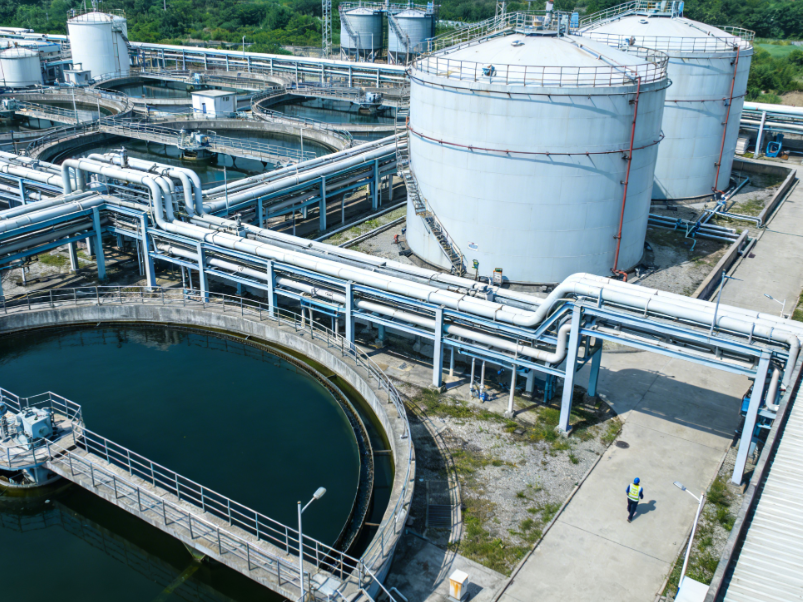
In wastewater treatment, turbidity testing is essential for evaluating treatment efficiency. It helps operators determine whether filtration and sedimentation processes are working effectively.
Turbidity is typically measured using a turbidity meter, which works by shining light through a water sample and measuring how much light is scattered by particles. The more scattering that occurs, the higher the turbidity level.
While visual inspection can provide a rough idea of water clarity, it is not reliable for accurate measurement. Professional instruments are necessary for consistent and precise results.
However, it is important to note that turbidity testing only measures suspended particles. It does not detect dissolved substances such as salts or chemicals.
For users who need reliable and efficient water quality testing, the ERUN-SP8-ASC-A4 portable conductivity analyzer provides a powerful solution. It is designed to complement turbidity testing by detecting dissolved substances that turbidity alone cannot measure.
Many customers face challenges such as limited access to laboratory equipment, slow testing processes, or incomplete data. This portable analyzer directly addresses these issues:
It enables fast, on-site testing, saving time and operational costs
It provides accurate data on dissolved ions, helping identify hidden contamination
It improves decision-making in water treatment, maintenance, and quality control
The device operates by placing two parallel electrodes into the water sample and applying a voltage. By measuring the current between the electrodes, it calculates conductivity based on Ohm’s law. This ensures precise and consistent results in various environments.
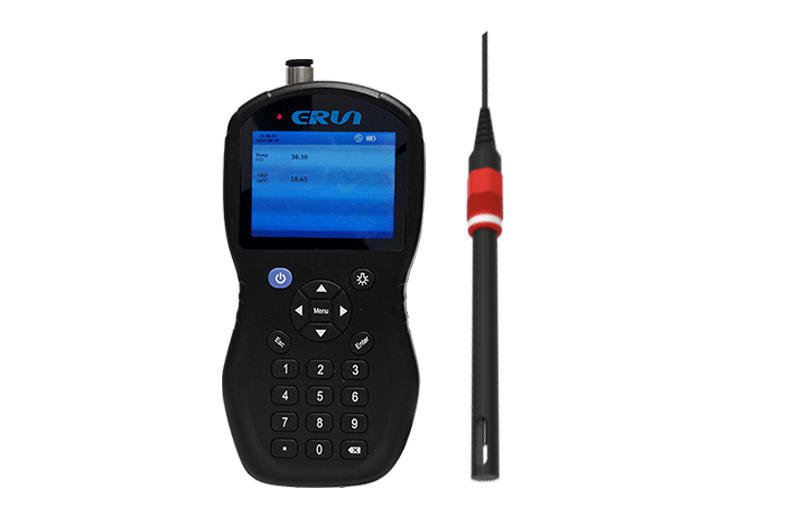
This analyzer is suitable for a wide range of applications, including drinking water safety, industrial production, aquaculture, environmental monitoring, and scientific research. Its portability and ease of use make it ideal for both fieldwork and routine inspections.
So, what is the purpose of the turbidity test? It is a fundamental tool for assessing water clarity, detecting potential contamination, and ensuring safety across various applications.
However, turbidity alone does not provide a complete picture. Combining it with conductivity testing allows for more accurate and reliable water quality analysis.
By using the right tools and testing methods, you can ensure safer water, better system performance, and more confident decision-making.