


Mercury is one of the most toxic heavy metals that can contaminate drinking water sources. Industrial discharge, mining activities, and natural geological processes may introduce mercury into rivers, groundwater, and reservoirs used for potable water supply. Even trace amounts can pose risks to human health because mercury accumulates in the body and affects the nervous system, kidneys, and immune functions. Reliable monitoring is therefore essential for water utilities, laboratories, and environmental agencies. Mercury testing methods in water play a critical role in ensuring drinking water safety and regulatory compliance worldwide.
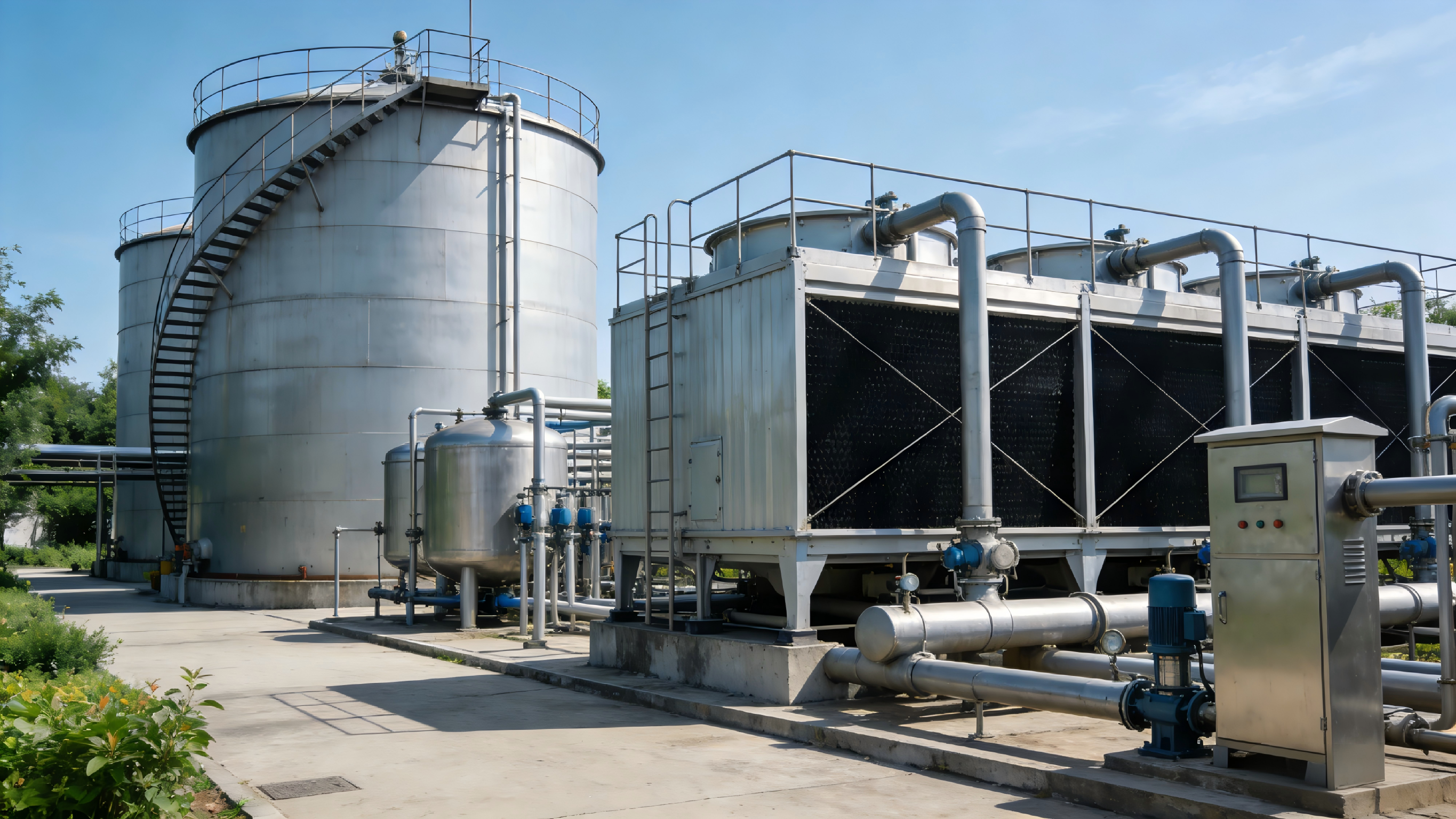
International and national standards emphasize strict monitoring of mercury in drinking water. The Guidelines for Drinking-water Quality published by the World Health Organization establish a guideline value of 0.006 mg/L for mercury in drinking water. In the United States, the Safe Drinking Water Act (SDWA) requires public water systems to comply with limits defined by the Environmental Protection Agency (EPA), where mercury has a maximum contaminant level (MCL) of 0.002 mg/L. In China, the drinking water quality standard GB 5749-2022 also regulates mercury as a key heavy metal parameter to protect public health. These regulatory frameworks require accurate analytical methods capable of detecting mercury at very low concentrations.
Several analytical techniques are widely used to determine mercury concentrations in water. The choice of method depends on factors such as detection limit, laboratory equipment, sample type, and monitoring purpose.
Method | Principle | Advantages | Typical Applications |
Cold Vapor Atomic Absorption Spectrometry (CV-AAS) | Mercury ions are reduced to elemental mercury vapor and detected by atomic absorption | High sensitivity, widely standardized | Drinking water monitoring, regulatory testing |
Atomic Fluorescence Spectrometry (AFS) | Mercury atoms emit fluorescence when excited by light | Extremely low detection limits | Trace mercury analysis |
Inductively Coupled Plasma Mass Spectrometry (ICP-MS) | Ionized mercury atoms are analyzed based on mass-to-charge ratio | Multi-element detection, high precision | Laboratory analysis and research |
Anodic Stripping Voltammetry (ASV) | Electrochemical deposition and stripping of mercury from electrode surface | Portable and cost-effective | Field monitoring and screening |
Cold vapor atomic absorption spectrometry remains one of the most commonly used techniques because it provides reliable sensitivity and is referenced in many regulatory protocols. Atomic fluorescence and ICP-MS methods are particularly valuable when ultra-trace mercury levels must be measured.
Accurate mercury detection requires careful sample handling because mercury can easily adsorb onto container surfaces or volatilize. Water samples are typically collected in acid-washed containers and preserved with nitric acid to prevent loss or transformation. Filtration may be used to separate dissolved mercury from particulate forms when required by the analytical method.
Laboratories also apply digestion or oxidation procedures to convert different mercury species into measurable forms. These preparation steps ensure that the analytical results reflect the true total mercury concentration in the water sample.
Laboratory instruments provide high accuracy, but many environmental monitoring tasks require rapid on-site measurements. Portable detection devices are increasingly used for screening and emergency response because they allow technicians to analyze water samples directly in the field.
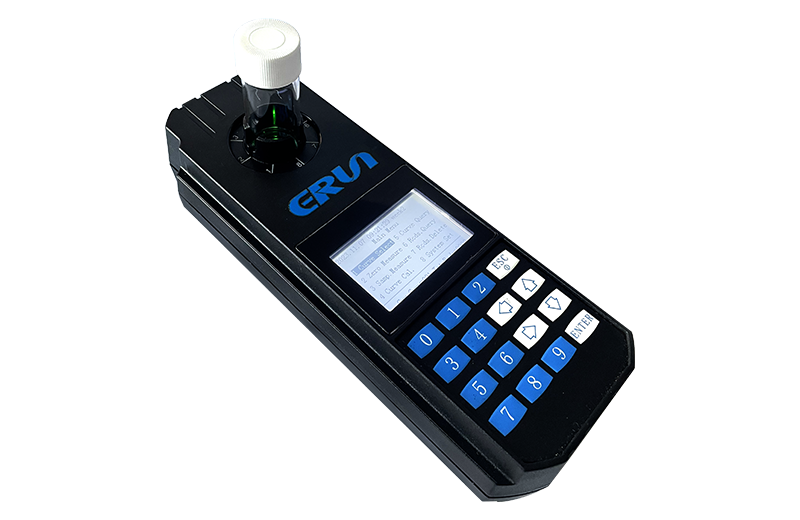
One example is the ERUN-80-M4 Portable Mercury Ion Detector developed by Erun Environmental Protection. This instrument is designed for quick mercury monitoring in environmental and drinking water scenarios. With a measuring range of 0.002–0.50 mg/L, it supports the detection requirements commonly associated with regulatory limits. The device uses a stable optical system with a cold light source and narrow-band interference optics to maintain reliable measurement stability.
The detector is compact, weighing only 500 g, and can be operated with one hand. A large LCD display makes readings clear and intuitive during field use. Its IP65-rated ABS housing provides protection against water, dust, and corrosion, allowing it to operate in laboratories, industrial workplaces, or outdoor monitoring environments. Built-in memory functions enable storage of multiple calibration curves and up to 199 measurement records with time stamps, which simplifies data management during environmental investigations.
Portable mercury analyzers like this help bridge the gap between laboratory precision and real-time monitoring needs. Environmental inspectors can quickly identify potential contamination sources and perform preliminary assessments before detailed laboratory confirmation.
Reliable mercury analysis depends not only on the analytical method but also on environmental and operational factors. Instrument calibration using certified standards is essential for maintaining measurement accuracy. Regular quality control checks ensure that the detection system remains stable and compliant with regulatory requirements.
Interference from other metals or chemical compounds may also influence analytical signals. Modern instruments incorporate optical filters, interference correction algorithms, and improved detection technologies to minimize such effects. Maintaining appropriate environmental conditions—such as temperatures between 5–40°C and relative humidity below 85%—helps ensure stable instrument performance during measurements.
Monitoring mercury in drinking water is essential across multiple sectors. Municipal water treatment plants must verify that treated water meets regulatory limits before distribution. Environmental monitoring agencies track mercury levels in rivers and reservoirs to assess pollution risks. Industrial facilities involved in mining, chemical manufacturing, or electronics production often perform routine wastewater testing to prevent contamination of nearby water sources.
Research institutions also analyze mercury concentrations when studying heavy metal transport, aquatic ecosystems, and bioaccumulation in food chains. In all these scenarios, reliable detection technologies enable early identification of contamination and support evidence-based environmental management.
Maintaining safe drinking water requires continuous monitoring and advanced analytical technologies. International regulations such as WHO guidelines, SDWA requirements, and GB 5749-2022 standards establish strict limits to protect public health. Modern laboratory techniques and portable detection instruments provide the sensitivity and flexibility needed to meet these regulatory expectations. Through accurate monitoring and improved analytical tools, mercury testing methods in water remain a fundamental component of global drinking water safety programs.