


Understanding what is the standard for COD in water is essential for environmental protection, wastewater treatment, and industrial compliance. COD, or chemical oxygen demand, is one of the most widely used indicators of water pollution. It measures the amount of oxygen required to chemically oxidize organic matter in water.
Governments and environmental agencies use COD limits to evaluate whether water is safe for discharge into natural ecosystems or suitable for reuse. For industries, municipalities, and laboratories, monitoring COD levels is not just a technical requirement—it is a critical step in ensuring regulatory compliance and protecting water resources.
COD is widely used in water quality monitoring because it provides fast and reliable insight into pollution levels. It is particularly important for:
Wastewater treatment plants
Industrial discharge monitoring
Environmental protection agencies
Research and academic laboratories
By measuring chemical oxygen demand, water quality professionals can evaluate how effectively wastewater treatment systems remove organic pollutants before releasing water into rivers, lakes, or oceans.
For drinking water, COD values are typically required to be extremely low, because organic contaminants may affect taste, safety, and microbial stability.
In many water quality studies and national standards derived from WHO guidelines, COD levels in drinking water are generally expected to remain below about 10 mg/L, with some standards recommending 4–6 mg/L as a desirable range to ensure good water quality and minimal organic pollution.
Maintaining low COD levels helps prevent microbial growth, unpleasant taste, and potential formation of harmful disinfection byproducts during water treatment.
For rivers, lakes, and other natural water bodies, COD standards vary according to water quality classification. Environmental agencies often divide surface water into multiple quality classes (such as clean water, moderately polluted water, and heavily polluted water).
Typical environmental monitoring guidelines indicate:
< 20 mg/L COD – clean surface water with minimal pollution
20–40 mg/L COD – moderately polluted water
> 40 mg/L COD – heavily polluted water requiring remediation
Environmental monitoring programs measure COD regularly to detect pollution sources and evaluate ecosystem health.
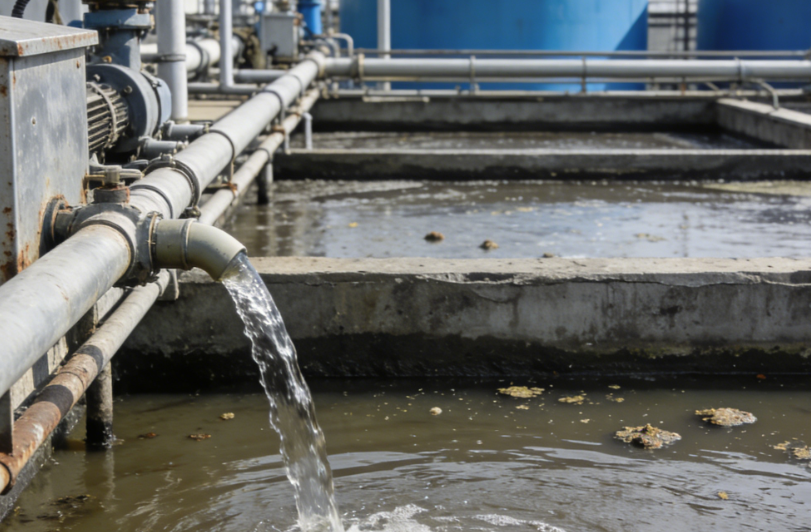
Wastewater from municipalities and industries generally contains much higher COD concentrations before treatment. Therefore, regulatory agencies set discharge limits for treated effluent to prevent environmental damage.
Typical regulatory ranges include:
Municipal wastewater effluent:
50–125 mg/L COD is a common permitted range for treated municipal wastewater discharged to surface waters.
Industrial wastewater discharge:
Light industry: 75–250 mg/L COD
Heavy industry: 150–500 mg/L COD depending on treatment requirements and local regulations.
In most jurisdictions, COD values above about 100–120 mg/L are rarely allowed for direct municipal discharge without additional treatment.
Strict COD limits help prevent oxygen depletion in rivers and lakes, protecting aquatic ecosystems and maintaining environmental balance.
Accurate COD testing is essential for maintaining water quality and ensuring compliance with environmental regulations.
Traditional laboratory methods involve chemical digestion of water samples using strong oxidizing agents. The amount of oxygen consumed during the reaction represents the COD value.
While effective, these methods often require precise laboratory procedures and careful analysis.
Modern instruments simplify the testing process by combining digestion and optical measurement technologies.
These advanced systems can quickly analyze samples and display COD results directly, reducing manual calculation errors and improving efficiency.
For laboratories and water treatment professionals, accurate COD measurement is essential for daily operations. The ERUN-ST3-J5 Benchtop COD Analyser offers a reliable solution designed to simplify and improve COD testing.
The ERUN-ST3-J5 uses sealed catalytic digestion followed by colorimetric measurement. This method ensures consistent and reliable analysis of COD in water samples.
The instrument integrates advanced cold light source technology and narrow-band interference technology to enhance measurement precision. In addition, a built-in microcomputer automatically processes data and directly displays the COD value in mg/L, allowing users to obtain results quickly without complex calculations.
Many laboratories and treatment facilities struggle with slow testing procedures, manual calculation errors, and inconsistent results. The ERUN-ST3-J5 addresses these issues by providing:
Rapid and accurate COD measurement
Automated data processing to reduce human error
Clear digital display of COD values
Improved efficiency for routine water quality testing
These features help environmental monitoring agencies, wastewater treatment plants, and research laboratories maintain reliable testing workflows.

The ERUN-ST3-J5 is widely used in:
Environmental monitoring departments
Municipal sewage treatment facilities
Universities and scientific research institutions
Industrial wastewater management systems
Its versatility makes it a practical solution for organizations responsible for maintaining water quality standards.
Understanding what is the standard for COD in water is crucial for protecting natural ecosystems and maintaining regulatory compliance. COD is one of the most important indicators of organic pollution, helping environmental professionals evaluate water quality and treatment effectiveness.
By combining reliable testing methods with modern analytical equipment such as the ERUN-ST3-J5 Benchtop COD Analyser, organizations can improve monitoring accuracy, streamline laboratory workflows, and ensure that water resources remain safe and sustainable for future generations.