


Ensuring safe drinking water is a cornerstone of public health. Among the many parameters used to monitor water quality, residual chlorine plays a vital role in preventing microbial contamination. Consistent and accurate residual chlorine testing safeguards communities, ensures regulatory compliance, and optimizes water treatment efficiency.
Residual chlorine refers to the chlorine that remains in water after disinfection. Its presence is essential for controlling bacteria, viruses, and protozoa throughout the water distribution system. Low chlorine levels increase the risk of contamination, while excessive levels can negatively affect taste, odor, and cause irritation.
The WHO Guidelines for Drinking-water Quality and the Safe Drinking Water Act (SDWA) define optimal residual chlorine ranges, typically between 0.2–4.0 mg/L, depending on water source and intended use. Maintaining this balance is critical to ensuring water is safe for consumption while minimizing chemical exposure.
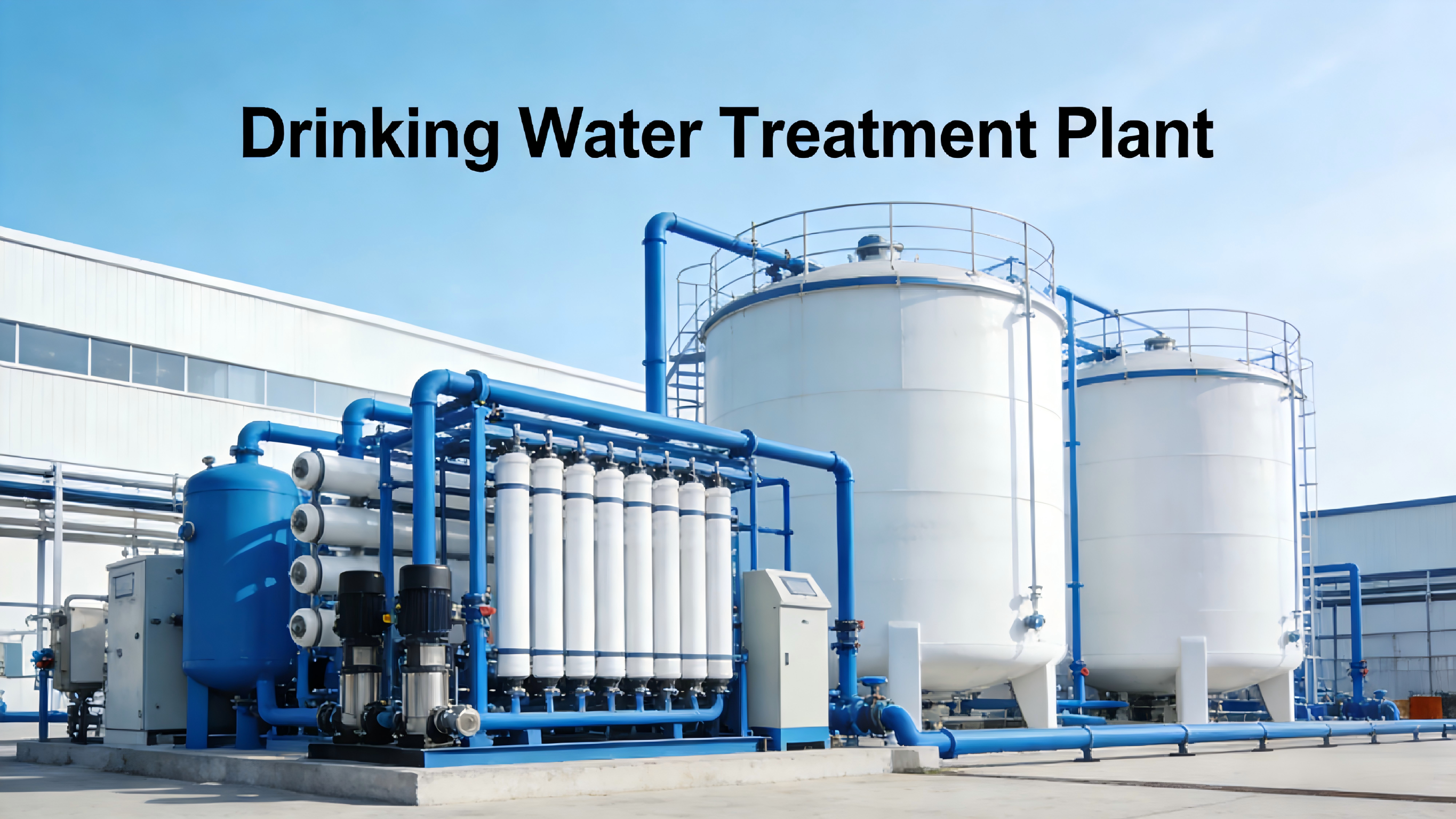
Water systems face several challenges that can affect residual chlorine levels:
l Pipe Reactions: Chlorine reacts with organic matter and biofilms in pipes, reducing its effectiveness.
l Environmental Influences: Temperature, sunlight, and water chemistry can accelerate chlorine decay.
l Human Error: Manual testing is periodic and may miss sudden fluctuations, compromising water safety.
These challenges highlight the need for continuous, precise monitoring to detect changes before they pose health risks.
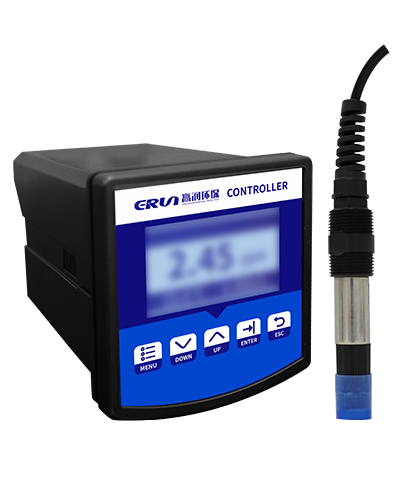
Advanced technology provides solutions for real-time monitoring. The ERUN Residual Chlorine Water Quality Online Monitor (ERUN-SZ1-A-K6) delivers accurate and continuous measurements using the polarographic method. Key features include:
l Measurement Range: Residual chlorine 0–20 mg/L
l Temperature Compensation: 0–100°C for accurate readings under varying conditions
l Precision: ±2% FS with 0.1‰ resolution
l Data Management: Chinese/English menu, notepad storage, RS485 digital interface
l Alarm Control: High/low relays for immediate alerts
The ERUN-SZ1-A-K6 transforms water quality management by replacing manual testing with automated, real-time data collection, enabling proactive adjustments to chlorine dosing.
Regular residual chlorine testing ensures compliance with SDWA requirements, which mandate monitoring disinfectant levels in public water systems. Maintaining proper chlorine levels prevents waterborne diseases such as E. coli, Salmonella, and Giardia, which can thrive in inadequately disinfected water. Accurate data collection supports reporting, transparency, and public confidence, while minimizing regulatory risks.
Continuous monitoring provides several critical advantages:
l Immediate Response: Real-time data allows for rapid corrective action to maintain safety.
l Operational Efficiency: Automated monitoring reduces manual testing and human error.
l Cost Savings: Optimized dosing prevents overuse of chemicals while maintaining protection.
l Data-Driven Insights: Historical measurements support predictive maintenance and water quality optimization.
Parameter | Measurement Range | Precision | Application |
Residual Chlorine | 0–20 mg/L | ±2% FS | Drinking water, industrial use, swimming pools |
Temperature | 0–60°C | ±0.1°C | Ensures accurate measurements in varying conditions |
Enhancing Water Safety with Technology
Integrating devices like the ERUN-SZ1-A-K6 into water treatment programs strengthens public health protection. By combining advanced technology, adherence to WHO guidelines, and compliance with SDWA standards, water operators can ensure:
l Consistent disinfectant levels throughout the distribution network
l Prevention of microbial contamination without over-chlorination
l Efficient, automated water quality management across multiple sites
Continuous residual chlorine testing transforms water management from reactive to proactive, ensuring safe, high-quality drinking water for all consumers.