


Ammonia Nitrogen is one of the most critical indicators in wastewater quality analysis. Whether you operate a wastewater treatment plant, manage industrial discharge, or perform environmental monitoring, understanding ammonia nitrogen is essential for regulatory compliance and process optimization.
This article explains what ammonia nitrogen in wastewater is, why it matters, acceptable discharge limits, and how to measure it accurately using professional water quality testing instruments.
Ammonia Nitrogen refers to the nitrogen present in water in the form of ammonia (NH₃) and ammonium ions (NH₄⁺). It is commonly reported as NH₃-N or ammonia nitrogen.
In wastewater, Ammonia nitrogen mainly originates from:
Domestic sewage (human waste, food residues)
Industrial effluents (chemical, fertilizer, textile industries)
Agricultural runoff
Decomposition of organic matter and proteins
Because ammonia and ammonium exist in equilibrium depending on pH and temperature, Ammonia Nitrogen directly influences water toxicity and treatment efficiency.
Excess ammonia nitrogen in wastewater can cause serious environmental problems:
Toxicity to aquatic life: Free ammonia (NH₃) is highly toxic to fish and invertebrates
Oxygen depletion: Nitrification consumes dissolved oxygen
Eutrophication: Stimulates excessive algal growth
Odor issues: Causes ammonia smells in collection systems
Most environmental authorities enforce strict discharge limits for ammonia nitrogen in wastewater to protect surface water and ecosystems. Continuous monitoring is therefore mandatory for:
Municipal wastewater treatment plants
Industrial discharge outlets
Environmental monitoring agencies
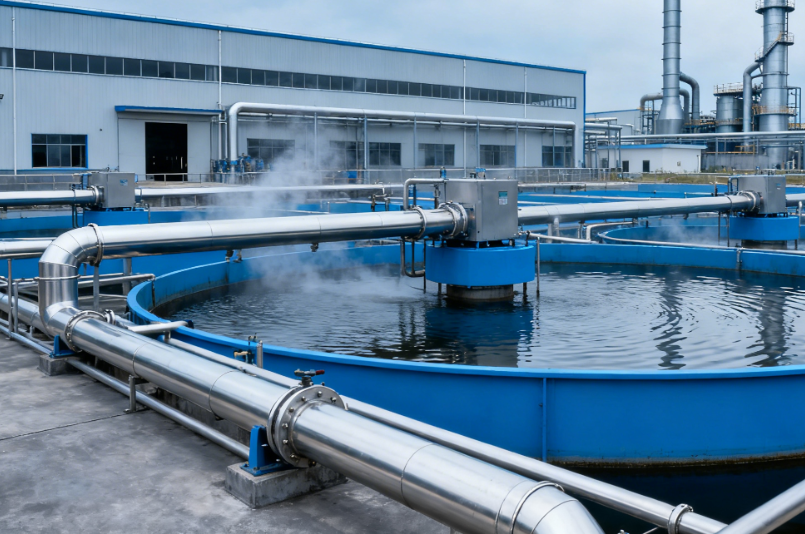
Understanding typical concentration ranges helps identify treatment efficiency and pollution severity.
Domestic wastewater: 20–50 mg/L
Industrial wastewater: Can exceed 100 mg/L
Treated effluent (regulated): Usually <5–15 mg/L depending on standards
High Ammonia Nitrogen levels often indicate insufficient biological treatment or shock loading in treatment systems.
Several methods are used to determine ammonia nitrogen concentration:
Nessler’s reagent method (colorimetric)
Salicylate method
Electrode method
Spectrophotometric analysis
For field testing and routine monitoring, portable multi-parameter water quality testers provide the best balance between accuracy, efficiency, and operational flexibility.
The ERUN-SP7, developed by Erun, is a professional portable water quality tester designed for wastewater, industrial water, and environmental monitoring.
It supports ammonia nitrogen testing alongside multiple key water quality parameters, making it ideal for comprehensive on-site analysis.
Key Measurement Parameters Include:
Ammonia nitrogen
COD
Total nitrogen
Total phosphorus
Turbidity
Residual chlorine / total chlorine
Heavy metals (copper, chromium, manganese, iron, zinc, aluminum)
Inorganic salts (phosphate, sulfate, nitrite, hardness)
The instrument supports custom parameter expansion based on application needs. Accurate control of ammonia nitrogen starts with reliable measurement. To discuss how a portable multi-parameter tester can streamline your wastewater compliance and process optimization, contact our water quality experts today.
Contact us today to get detailed specifications or request a quotation:
Email: [email protected]
WhatsApp:(+86-18189135710)
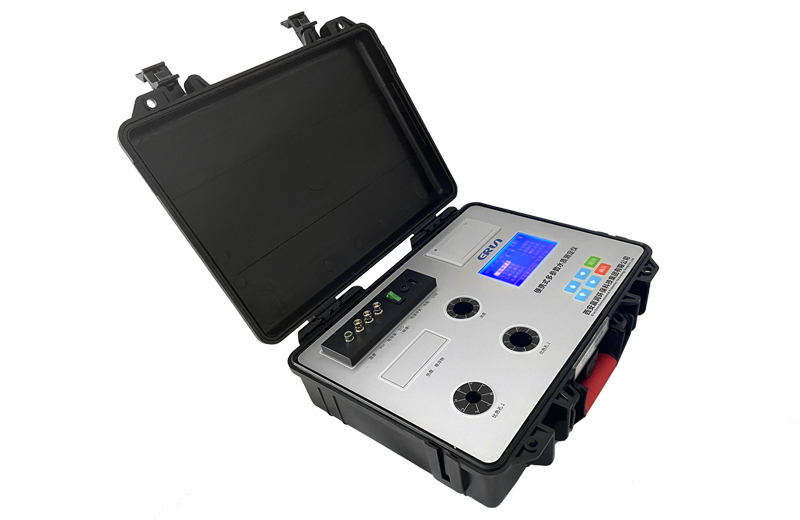
Repeatability: ≤3%
Optical stability: Absorbance drift <0.002A within 20 minutes
These performance specifications guarantee reliable and repeatable ammonia nitrogen measurements, even under demanding field conditions.
ERUN-SP7 offers flexible data interpretation through:
Concentration display
Absorbance reading
Light transmittance mode
This makes the instrument suitable for both regulatory reporting and laboratory verification.
Unlike bulky benchtop analyzers, ERUN-SP7 allows:
On-site wastewater testing
Rapid decision-making
Reduced sample transport errors
Accurate Ammonia Nitrogen testing allows operators to:
Optimize biological nitrification processes
Detect treatment system overloads early
Reduce regulatory compliance risks
Improve effluent quality and environmental safety
Using a reliable tester like ERUN-SP7 ensures both measurement consistency and operational efficiency.
Ammonia nitrogen in wastewater is a critical parameter that directly impacts environmental safety, regulatory compliance, and treatment efficiency. Understanding its sources, effects, and acceptable limits is essential for wastewater professionals.
By adopting advanced portable instruments such as the ERUN-SP7 Multi-Parameter Water Quality Tester, organizations can achieve accurate ammonia nitrogen monitoring alongside comprehensive water quality analysis, supporting smarter and more compliant wastewater management.