


Water clarity is more than a visual concern—it is a critical indicator of water quality, safety, and treatment efficiency. This is where a turbidimeter plays a vital role. If you work in water treatment, environmental monitoring, industrial processes, or laboratory analysis, understanding what a turbidimeter is used for can help you choose the right testing solution and ensure compliance with water quality standards.
In this article, we explain the purpose of a turbidimeter, its key applications, how it works, and why modern multi-parameter testers like ERUN-SP7 are increasingly preferred for turbidity measurement.
A turbidimeter is an analytical instrument used to measure turbidity, which refers to the cloudiness or haziness of water caused by suspended particles such as silt, algae, organic matter, or microorganisms.
Turbidity is usually expressed in NTU (Nephelometric Turbidity Units) and is a core indicator of water cleanliness. High turbidity can interfere with disinfection, reduce treatment efficiency, and signal potential contamination risks.
A turbidimeter is used wherever accurate turbidity monitoring is necessary to ensure water quality and process control.
In municipal and industrial drinking water systems, turbidity monitoring ensures that filtration and disinfection processes are working effectively. Sudden increases in turbidity may indicate filter breakthrough or system malfunction.
Regulatory agencies often require routine turbidity testing to meet drinking water safety standards.
In wastewater treatment plants, turbidity measurement helps evaluate:
Influent and effluent quality
Treatment efficiency
Compliance with discharge regulations
Turbidimeters provide fast feedback on process performance, especially during biological treatment and clarification stages.
Rivers, lakes, and reservoirs are regularly tested for turbidity to assess:
Sediment pollution
Stormwater runoff impact
Ecosystem health
Environmental agencies rely on turbidity data to detect erosion, construction impact, or contamination events.
Industries such as food processing, pharmaceuticals, power generation, and chemicals use turbidimeters to monitor:
Cooling water
Boiler feed water pretreatment
Process water consistency
Controlling turbidity helps prevent equipment fouling and ensures stable production quality.

Most modern turbidimeters use nephelometric measurement, which detects light scattered by suspended particles in a water sample.
The basic principle includes:
A light source shining through the sample
A detector positioned at a 90° angle
Measurement of scattered light intensity
The more particles present, the higher the turbidity reading. Advanced instruments compensate for color and light interference to improve accuracy.
Turbidity is not just an aesthetic issue—it directly impacts water safety and treatment outcomes.
Key reasons turbidity measurement is important:
High turbidity can shield bacteria and pathogens from disinfectants
It indicates treatment failures early
It affects chemical dosing accuracy
It supports regulatory compliance and reporting
Without reliable turbidity measurement, water quality risks may go undetected.
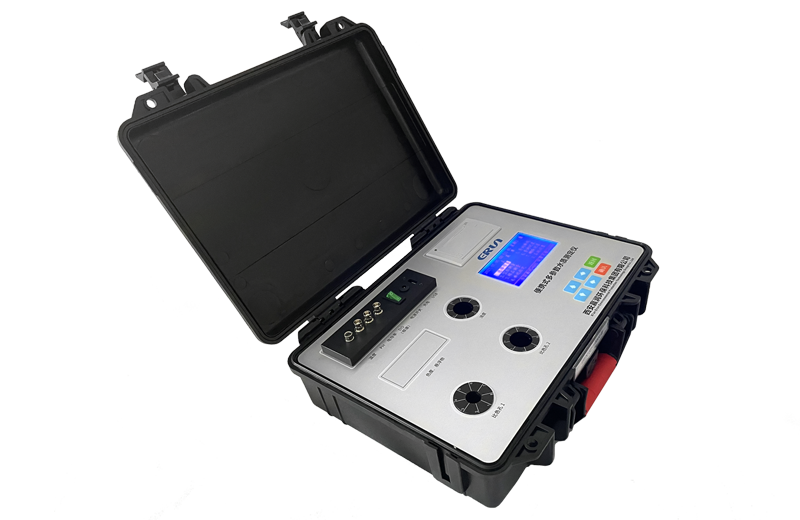
The ERUN-SP7 portable multi-parameter water quality tester is designed for professionals who need accurate, flexible, and efficient turbidity measurement in the field or laboratory.
Supports turbidity testing alongside COD, ammonia nitrogen, total phosphorus, total nitrogen, copper, and more
Measures residual chlorine, total chlorine, chlorine dioxide, color, hardness, sulfate, nitrite, and additional parameters
Expandable and customizable test items based on application needs
Repeatability: ≤3%, ensuring stable results
Excellent optical stability, with drift less than 0.002A within 20 minutes
Multiple reading modes: concentration, absorbance, and transmittance
Whether used in drinking water analysis, wastewater monitoring, or industrial inspection, ERUN-SP7 provides a reliable all-in-one solution for turbidity and beyond.
Contact us today to get detailed specifications or request a quotation:
Email: [email protected]
WhatsApp:(+86-18189135710)
Who Should Use a Turbidimeter?
A turbidimeter—or a multi-parameter tester with turbidity capability—is essential for:
Water treatment engineers
Environmental monitoring agencies
Industrial water managers
Laboratory technicians
Consulting and inspection companies
Selecting the right instrument depends on accuracy requirements, testing frequency, and the range of parameters needed.
A turbidimeter is primarily used to measure water clarity and suspended solids, supporting safe drinking water, efficient wastewater treatment, environmental protection, and industrial process control.
With evolving testing needs, modern instruments like the ERUN-SP7 portable multi-parameter water quality tester provide a smarter alternative by integrating turbidity measurement with dozens of other critical parameters—saving time, reducing costs, and improving decision-making.