


Turbidity is one of the most important indicators of water quality, yet it is often misunderstood. Whether you are monitoring drinking water, wastewater, surface water, or industrial processes, understanding turbidity helps you detect contamination, evaluate treatment efficiency, and protect public health.
In this article, we explain what turbidity in water is, what causes it, why it matters, and how to test turbidity accurately using professional water quality instruments.
Turbidity in water refers to the cloudiness or haziness caused by suspended particles that scatter light. These particles may be invisible to the naked eye, but together they reduce water clarity.
Unlike color, turbidity is not caused by dissolved substances. Instead, it comes from undissolved solids floating in the water column.
Turbidity is usually measured in NTU (Nephelometric Turbidity Units), using optical sensors that detect how light is scattered by particles.
Turbidity can originate from both natural processes and human activity. Common sources include:
Soil erosion from rainfall or flooding
Sediment stirred up in rivers, lakes, and reservoirs
Algae and plankton growth
Decaying organic matter
Industrial discharge
Construction site runoff
Agricultural activities
Wastewater and sewage effluent
Poor filtration during water treatment
In many cases, high turbidity signals underlying water quality problems that require immediate attention.

Turbidity is more than a visual issue. It directly affects water safety, treatment effectiveness, and ecosystem health.
High turbidity can shield bacteria, viruses, and parasites from disinfection. Even if chlorine is present, suspended particles can reduce its effectiveness, increasing health risks.
Water treatment plants rely on turbidity monitoring to:
Optimize coagulation and filtration
Detect filter breakthrough
Meet regulatory compliance requirements
A sudden rise in turbidity often indicates equipment failure or process inefficiency.
Reduces light penetration, harming aquatic life
Increases wear on pumps and pipelines
Affects industrial water reuse and boiler systems
Because of these risks, turbidity is closely monitored in drinking water, wastewater, and industrial water systems.
The most reliable way to measure turbidity is through optical nephelometric methods. These instruments emit light into a water sample and measure scattered light at a specific angle.
Nephelometric method (NTU) – industry standard
Visual methods – inaccurate, not recommended
Online sensors – for continuous monitoring
For field testing and routine inspections, portable multi-parameter water quality testers are widely used because they are fast, accurate, and practical.
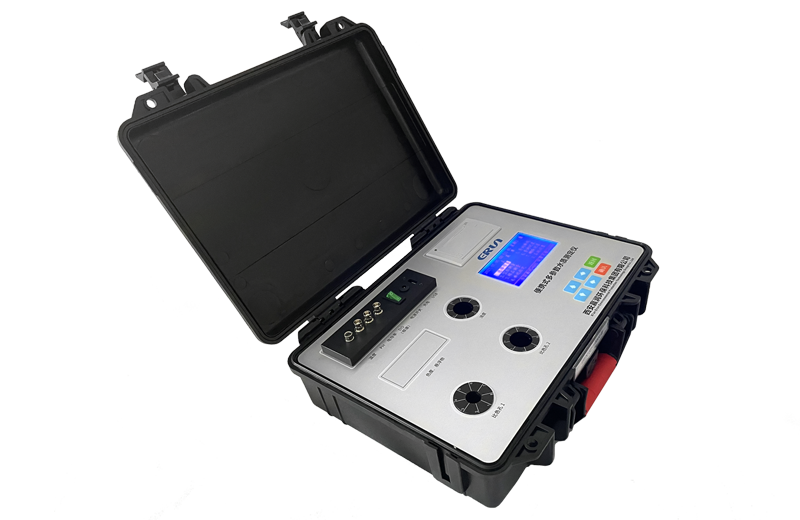
To achieve accurate turbidity measurements in real-world conditions, professionals rely on robust instruments like the ERUN-SP7 portable multi-parameter water quality tester from Erun.
The ERUN-SP7 is designed for both laboratory-grade accuracy and field convenience:
Supports turbidity measurement alongside multiple parameters
Measures COD, ammonia nitrogen, total phosphorus, total nitrogen, residual chlorine, total chlorine, and more
Expandable and customizable test items
Repeatability: ≤3%
Optical stability: drift < 0.002A in 20 minutes
Multiple reading modes: concentration, absorbance, transmittance
This flexibility makes it ideal for drinking water plants, wastewater facilities, industrial water systems, and environmental monitoring.
Contact us via email or WhatsApp to request technical details or a quotation:
Email: [email protected]
WhatsApp:(+86-18189135710)
Acceptable turbidity levels vary by application:
Drinking water: typically ≤ 1 NTU (often lower after filtration)
Surface water: varies by environmental standards
Wastewater discharge: regulated based on local requirements
Industrial use: depends on process sensitivity
Monitoring turbidity regularly helps organizations stay compliant and avoid costly failures.
Many users assume that clear water is safe water. However:
Low turbidity does not always mean low microbial risk
High turbidity does not necessarily indicate chemical contamination
Turbidity must be evaluated together with parameters like chlorine, COD, and nutrients
That is why multi-parameter instruments provide greater insight than single-function meters.
Turbidity is a critical parameter for evaluating water quality across drinking water, wastewater, and industrial systems. It affects disinfection efficiency, treatment performance, and environmental safety.
Using a professional tool like the ERUN-SP7 portable multi-parameter water quality tester allows users to measure turbidity accurately while monitoring multiple indicators at the same time.