


Low total alkalinity means water has little buffering capacity, so pH can swing suddenly when acids or CO2 enter the system. What happens if alkalinity is too low? Expect rapid pH changes, increased corrosion and metal leaching, taste and odor problems, stress on aquatic life, and operational headaches in pools, boilers, and industrial systems. This article explains the chemistry, real-world impacts, how to test (including the ERUN‑ST7), how to raise alkalinity safely, and how to prevent repeat problems.
Total alkalinity is the sum of buffering species (primarily bicarbonate, carbonate, and hydroxide) that neutralize added acid. It’s typically reported as mg/L as CaCO3 and represents the water’s ability to resist pH change.
pH measures instantaneous acidity/basicity; alkalinity measures the reserve that resists pH swings. Water can show an acceptable pH but still be vulnerable if alkalinity is low — an external shock (CO2, acid rain, biological respiration, chemical dosing) then causes rapid pH shifts.
With little bicarbonate reserve, even small acid inputs shift the hydrogen ion balance strongly, producing abrupt pH drops. In pools, this shows as pH “bounce” after adding acid or chlorine; in distribution systems, you may see sudden swings tied to source changes or bioactivity.
Low-alkalinity water is more “aggressive”: it dissolves metals from pipes and fixtures. That raises dissolved copper, lead, and iron risks, damages plumbing, and can cause regulatory noncompliance for drinking water. Long-term exposure accelerates pinhole leaks and requires costly repairs.
Metallic or sour tastes and odd odors are common. In aquaria and distribution systems, pH instability stresses organisms and favors microbial shifts that complicate treatment and stability.
Pools: etching of plaster, eye/skin irritatio,n and erratic sanitizer behavior. Boilers and heat exchangers: increased corrosion, pitting, and premature equipment failure. Industrial processes see more frequent chemical dosing, downtime, and maintenance costs.
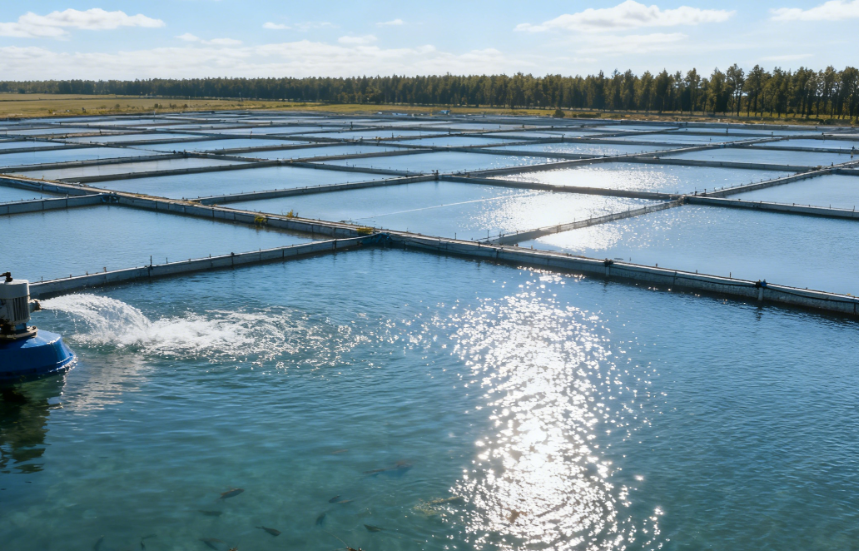
Risk of metal mobilization, taste complaints, and regulatory exposure. Utilities often blend or use corrosion inhibitors when alkalinity is low.
Low alkalinity yields unstable pH, making chlorine effectiveness unpredictable and increasing surface damage.
Plants and fish require stable pH; low alkalinity magnifies CO2-driven swings and can cause mortality in sensitive species.
Expect accelerated corrosion, reduced heat transfer efficiency, and more frequent chemical interventions.
Titration remains the direct standard for total alkalinity. Rapid kits are convenient for field checks. For context, combine titration with concurrent pH, conductivity, temperature, and DO readings.
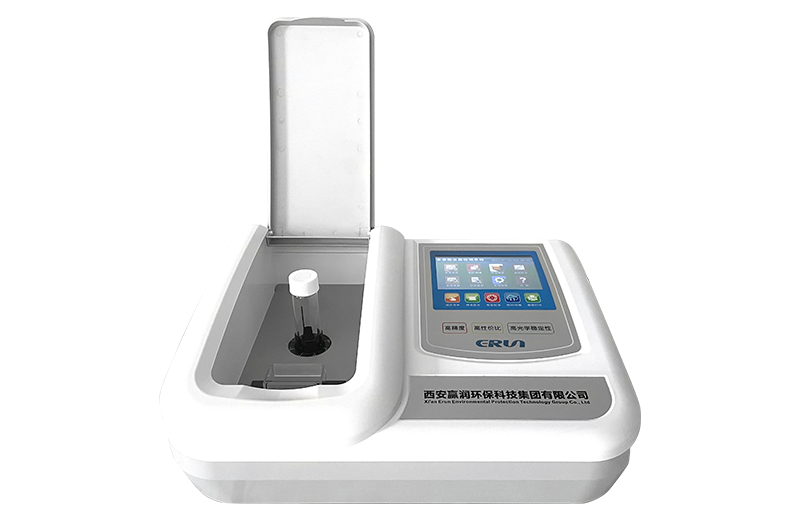
ERUN-ST7, a desktop multi-parameter water quality analysis tester produced by Erun, contains optical method and electrode method (PH, conductivity, TDS, dissolved oxygen, and water temperature), and users can freely combine them according to their needs. Widely applicable to the determination of drinking water, surface water, and sewage.
Maximum absorbance error: 0.005A
Absorbance range: -2.000 to 2.000
Reproducibility: ≤2%
Optical stability: The light absorption value of the instrument is less than 0.002A in 20 minutes
Pair titration alkalinity data with ERUN‑ST7’s pH and temperature readings to diagnose CO2 influence, hardness interactions, or contamination.
Contact us today to get detailed specifications or request a quotation:
Email: [email protected]
WhatsApp:(+86-18189135710)
Raise alkalinity with sodium bicarbonate (baking soda) in controlled doses. Add gradually, circulate, and retest to avoid overshoot.
Blend with higher-alkalinity sources, use lime or soda ash where appropriate, and apply corrosion inhibitors or controlled chemical dosing per engineering guidance.
Test frequently during corrections. Use titration to confirm alkalinity and ERUN‑ST7 for simultaneous pH, conductivity and temperature monitoring.
Low alkalinity destabilizes pH, accelerates corrosion, harms water quality, and drives up maintenance costs across household, municipal, and industrial settings. The best defense is regular alkalinity monitoring plus concurrent parameter checks (pH, conductivity, TDS, DO, temperature). For reliable lab- and field-level context, combine standard titration with the ERUN‑ST7 desktop multi-parameter tester.