


Total alkalinity is the sum of bases (mainly bicarbonate, carbonate, and hydroxide) that neutralize acids, usually reported as mg/L CaCO3. pH measures the current acidity/basicity; alkalinity measures the water’s ability to resist pH change — its buffering capacity.
Drinking water: often 20–200 mg/L as CaCO3.
Pools: target 80–120 mg/L to stabilize pH.
Aquaria/industrial systems: target depends on species and equipment; stability is more important than a single number.
Alkalinity acts like a chemical shock absorber. When acids (like CO2 from air or biological activity) are introduced, bicarbonate/carbonate reactions neutralize them and limit pH changes. Good buffering prevents sudden pH shifts that stress organisms or accelerate metal corrosion.
Low-alkalinity water experiences large pH fluctuations when disturbed. These swings increase metal solubility (lead, copper), encourage leaching from pipes and fixtures, and can create sour tastes. In plumbing and heating systems, aggressive low-alkalinity water speeds corrosion and shortens equipment life.
Excess alkalinity limits small pH adjustments and promotes carbonate scale formation when combined with calcium hardness. In pools and boilers, this causes cloudy water, deposits on surfaces, and pH “bounce” that makes chlorine and other sanitizers less predictable.
Higher temperatures and high calcium hardness increase scale formation if alkalinity is also high. Soft water with moderate alkalinity leans toward corrosion, so alkalinity must be considered together with hardness, conductivity, and temperature.
Alkalinity influences taste and treatment chemistry. Low alkalinity can mobilize metals and harm taste; high alkalinity may interfere with disinfection and lead to scale in heaters and boilers.
Pool operators maintain alkalinity (80–120 mg/L) to stabilize pH, protect equipment, and ensure chlorine effectiveness. High alkalinity causes pH management headaches and poor sanitizer performance; low alkalinity leads to corrosion of metal fixtures.
Stable alkalinity is vital for fish and plants. Planted tanks often rely on bicarbonate buffering for CO2 stability. Sudden pH shifts from low alkalinity can be lethal for sensitive species.
Cooling towers, boilers, and process lines need controlled alkalinity to reduce scale and maintain heat transfer efficiency. Imbalanced alkalinity increases maintenance, downtime, and chemical costs.
Low alkalinity → corrosion (metal leaching, pinhole leaks). High alkalinity → scaling (clogged pipes, reduced heat transfer). Both cause operational and health problems; balancing alkalinity minimizes long‑term costs.
Corrosion shortens pipe life; scale reduces system efficiency and increases energy use. Routine monitoring prevents the buildup of either issue.
Titration kits and lab titration remain direct methods for alkalinity. Colorimetric tests and modern multi‑parameter analyzers give context by combining pH, conductivity, TDS, dissolved oxygen, and temperature readings.
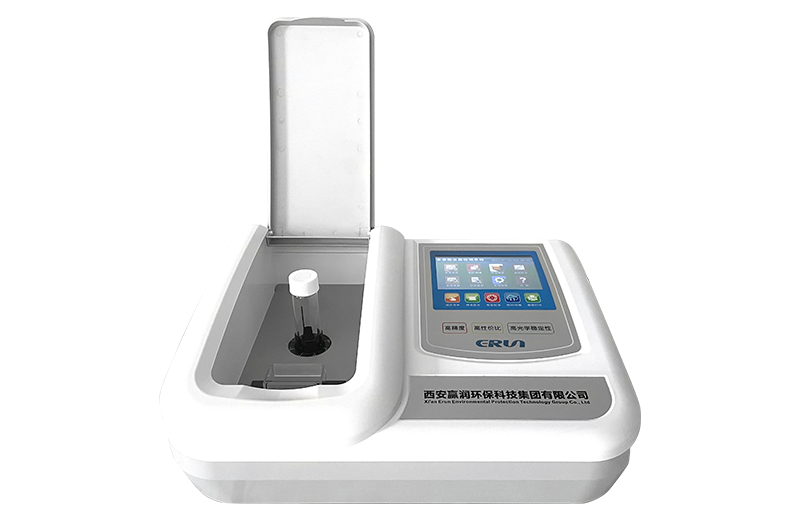
ERUN‑ST7 supports both optical and electrode methods and lets users freely combine parameters (pH, conductivity, TDS, dissolved oxygen, temperature, etc) per testing needs. Specs: Maximum absorbance error 0.005A; Absorbance range −2.000 to 2.000; Reproducibility ≤2%; Optical stability: light absorption change <0.002A in 20 min. It’s ideal for drinking water, surface water, and sewage labs.
Use ERUN‑ST7 to capture pH, temperature, conductivity, and DO at the same time as titration‑based alkalinity checks. The combined data helps you diagnose whether alkalinity issues stem from hardness, CO2, biological activity, or contamination — and confirms corrective dosing effectiveness.
Add sodium bicarbonate (baking soda) for pools and many waters—dose in small increments and retest after mixing to avoid overshoot.
Dilute with low‑alkalinity source water or apply controlled acid dosing (muriatic/dry acid) gradually while monitoring pH. Work slowly and test frequently.
Control hardness, use antiscalants/sequestrants in industrial systems, and implement routine monitoring with titration and multi‑parameter analyzers like ERUN‑ST7.
Total alkalinity significantly impacts pH stability, corrosion versus scaling, and treatment outcomes. Test alkalinity alongside pH, conductivity, temperature, and DO for a full picture. For reliable lab‑grade monitoring, ERUN‑ST7 offers precise optical and electrode measurements to help you diagnose problems and verify corrections.
Contact us today to get detailed specifications or request a quotation:
Email: [email protected]
WhatsApp:(+86-18189135710)