


Total Dissolved Solids (TDS) is one of the most commonly tested indicators in water quality analysis. Whether you are monitoring drinking water, industrial process water, or environmental samples, understanding how much TDS in water is safe is critical for health, compliance, and system performance.
In this article, we explain what TDS is, safe TDS levels for different applications, health and industrial impacts, and how to accurately test TDS using professional water quality instruments like the ERUN-SP7 portable multi-parameter water quality detector.
TDS refers to the total amount of dissolved inorganic and organic substances present in water. These substances include minerals, salts, metals, and ions such as:
Calcium
Magnesium
Sodium
Potassium
Chlorides
Sulfates
Nitrates
TDS is typically measured in mg/L (ppm) and serves as a general indicator of water purity. While TDS itself is not a direct health parameter, it strongly affects taste, usability, and the presence of other contaminants.
According to widely accepted international guidelines:
0–300 mg/L: Excellent water quality
300–600 mg/L: Good
600–900 mg/L: Fair
900–1200 mg/L: Poor
Above 1200 mg/L: Unacceptable for drinking
The World Health Organization (WHO) suggests that drinking water with TDS below 600 mg/L is generally acceptable and palatable. Water exceeding this range may taste salty, bitter, or metallic and could indicate elevated levels of harmful ions.
While low TDS water is often associated with purity, extremely low TDS (below 50 mg/L) may not always be ideal for long-term consumption. Minerals such as calcium and magnesium contribute to nutritional intake and water stability.
In industrial applications, very low TDS water is often required for boilers, electronics manufacturing, and laboratories—but this usually involves controlled remineralization or strict process monitoring.
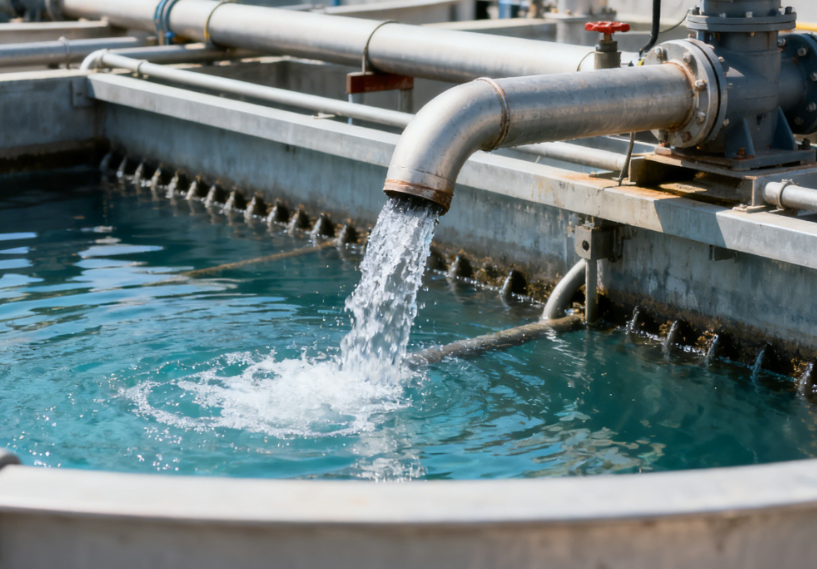
High TDS does not automatically mean water is unsafe, but it can signal potential issues:
Elevated nitrates may pose risks to infants
Excess sodium can be problematic for people with hypertension
High sulfates may cause digestive discomfort
Metal ions may indicate corrosion or industrial contamination
That is why TDS testing should be combined with parameter-specific analysis, especially in drinking water and wastewater monitoring.
In industrial and environmental contexts, TDS plays a crucial role:
Boiler and cooling systems: High TDS causes scaling and reduces efficiency
Wastewater treatment: TDS affects discharge compliance
Surface and groundwater monitoring: Rising TDS indicates pollution or salinization
Agriculture: High TDS irrigation water impacts soil health and crop yield
Regular TDS monitoring helps operators detect changes early and maintain regulatory compliance.
TDS is commonly measured using conductivity-based methods, as dissolved solids affect electrical conductivity. However, professional testing often requires multi-parameter instruments that can analyze TDS alongside other indicators.
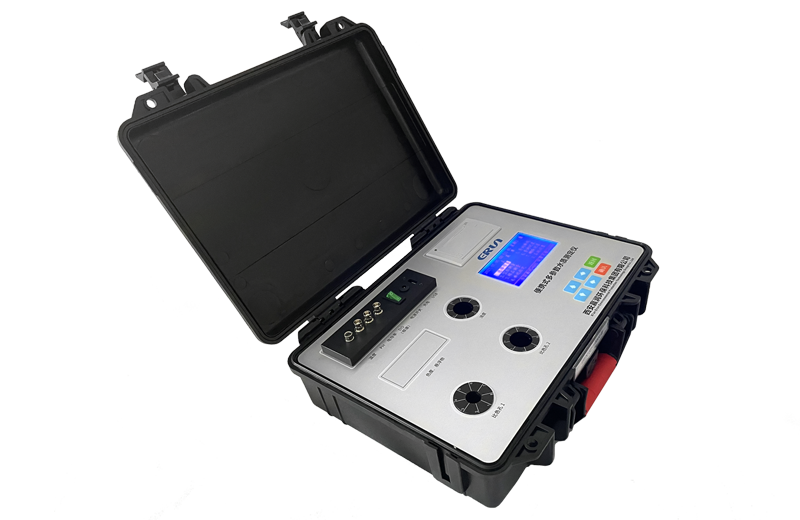
The ERUN-SP7 is designed for flexible and accurate field and laboratory testing. Key advantages include:
Supports TDS, COD, turbidity, nitrates, hardness, ammonia nitrogen, and more
Expandable and customizable parameters based on user needs
Portable design for on-site testing
Ideal for drinking water, surface water, groundwater, wastewater, and industrial water
By combining TDS testing with nitrate, hardness, and other critical parameters, users can obtain a complete picture of water quality instead of relying on a single indicator.
Contact us at [email protected] or WhatsApp: +86-18189135710 to learn how ERUN solutions can support your testing needs.
So, how much TDS in water is safe? For drinking purposes, keeping TDS below 600 mg/L is widely accepted as safe and palatable. For industrial and environmental applications, acceptable TDS levels vary and must be evaluated alongside other parameters.
To ensure reliable results, using a professional, multi-parameter water quality analyzer like the ERUN-SP7 allows you to monitor TDS accurately while assessing other critical indicators that affect water safety and compliance.
If you need expert guidance or customized testing solutions, visit erunwas.com to learn more about advanced water quality instruments designed for real-world applications.