


Clean and reliable water is essential for drinking, industrial processes, environmental protection, and public health. Whether you work in water treatment, environmental monitoring, laboratory analysis, or wastewater management, understanding how to analyze water quality is the foundation of making informed decisions.
This guide explains what to test, how to test it, and how a multi-parameter analyzer like the ERUN-ST7 can streamline the entire process. If you need accurate and efficient water testing in one instrument, this article will help you understand what really matters.
Water quality is determined by a combination of physical, chemical, and biological parameters. Each tells a unique story about the water’s condition, potential contaminants, and suitability for various applications such as drinking, manufacturing, or discharge.
Turbidity is one of the most visible signs that water may be contaminated. High turbidity often indicates the presence of suspended solids, organic matter, or microbial growth. Clear water does not always guarantee safety, but cloudy water is a clear warning sign of instability or pollution.
Temperature also plays a major role in water chemistry. It affects dissolved oxygen levels, microbial activity, chemical reaction rates, and even the solubility of minerals and metals. Accurate temperature measurement is a necessary foundation for interpreting other parameters.
Chemical indicators form the core of water quality analysis.
pH determines whether water is acidic, neutral, or alkaline. It affects metal solubility, corrosion potential, and biological growth.
Conductivity & Total Dissolved Solids (TDS) provide a quick way to estimate the number of dissolved ions in water. High conductivity may indicate contamination, mineral-rich water, or industrial discharge.
Salinity is crucial for coastal, marine, and brackish water studies.
Dissolved Oxygen (DO) is essential for aquatic life and wastewater treatment. Low DO levels usually signal pollution or high organic load.
Depending on regulations or project needs, other important chemical parameters may include COD, BOD, heavy metals, ammonia, nitrates, and phosphates.
In drinking water or environmental studies, microbial contamination is a critical concern. Though ERUN-ST7 focuses on physicochemical parameters, understanding biological indicators such as coliforms, E. coli, and bacteria is important for comprehensive water evaluation.

Proper water analysis begins long before the sample reaches the testing instrument. Following standardized workflows ensures accurate, reliable, and repeatable results.
Sampling is one of the most important steps in water analysis. Improper sampling can lead to inaccurate results even if you use the most advanced instrument.
Key principles include:
Use clean, contamination-free containers.
Rinse containers with the sample when appropriate.
Collect water from representative locations and depths.
Avoid disturbing sediments unless sediment analysis is required.
Record environmental conditions such as weather, temperature, and sampling time.
Some samples may require filtration to remove large particles before measurement.
Field measurements provide immediate information about the water’s condition. Many parameters, such as temperature, pH, and DO, change rapidly after sampling, making on-site measurements essential.
Typical on-site tests include:
pH
Conductivity / TDS
Dissolved Oxygen
Water temperature
Basic turbidity screening
This initial assessment helps identify whether the water requires further laboratory analysis.
For a complete understanding of water quality, lab-based analysis may be needed. This includes testing for:
COD/BOD
Nutrients
Heavy metals
Organic pollutants
Microbiological contaminants
Comparing results to applicable guidelines or regulatory standards ensures the water meets safety or discharge requirements.
Modern water analysis often requires testing several parameters at once. Traditional workflows rely on separate devices, leading to higher costs, inconsistent data, and unnecessary complexity. This is where a multi-parameter analyzer provides a significant advantage
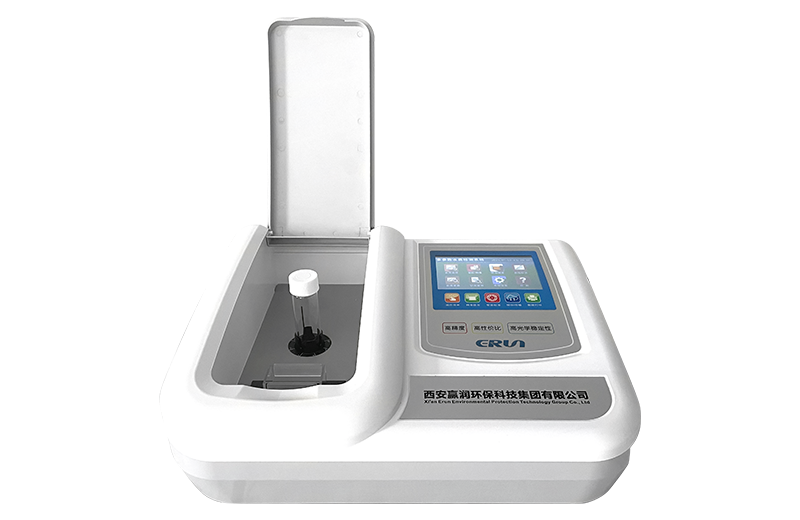
The ERUN-ST7 is a desktop multi-parameter water quality analysis tester that combines optical and electrode-based measurement technologies. It can test pH, conductivity, TDS, dissolved oxygen, and water temperature, and users can freely combine detection parameters based on their application needs.
It is ideal for drinking water, surface water, and sewage analysis, and fits laboratories, environmental agencies, universities, and water treatment facilities.
Multiple parameters in one device
Instead of relying on several individual meters, the ERUN-ST7 integrates essential water quality indicators, improving workflow efficiency.
High accuracy and stability
Its optical method and electrode sensors ensure reliable measurement for scientific, industrial, and regulatory applications.
Flexible configuration
Users can select different parameter combinations depending on testing needs, making it suitable for routine monitoring or detailed analysis.
Wide application range
From drinking water to wastewater treatment, ERUN-ST7 provides actionable insights for different water bodies.
Drinking Water Analysis
Quickly evaluate pH, TDS, and DO to determine water safety and stability.
Surface Water Monitoring
Detect seasonal changes, runoff impacts, and potential contamination efficiently.
Sewage and Wastewater Testing
Track treatment performance and ensure effluent meets discharge standards.
To ensure data accuracy, follow these essential guidelines:
Calibrate electrodes and sensors regularly, especially pH and DO sensors.
Clean probes after each use to avoid residue buildup or cross-contamination.
Use proper sampling techniques and record environmental conditions.
Choose the right parameters according to your monitoring objectives.
Combine multi-parameter monitoring with laboratory tests for a complete assessment.
Use ERUN-ST7’s multi-parameter capabilities to build water quality trend data and detect anomalies early.
Water quality analysis is essential for ensuring safe drinking water, protecting the environment, and maintaining efficient industrial processes. Understanding key parameters—pH, conductivity, TDS, dissolved oxygen, turbidity, and more—helps identify contamination and maintain compliance.
With the ERUN-ST7 multi-parameter water quality analyzer, you can perform fast, accurate, and comprehensive testing in a single device. Whether you are monitoring drinking water, environmental water, or wastewater, the ERUN-ST7 provides a reliable solution for daily analysis.
To learn more or explore how the ERUN-ST7 can support your water quality testing needs, visit erunwas.com.